
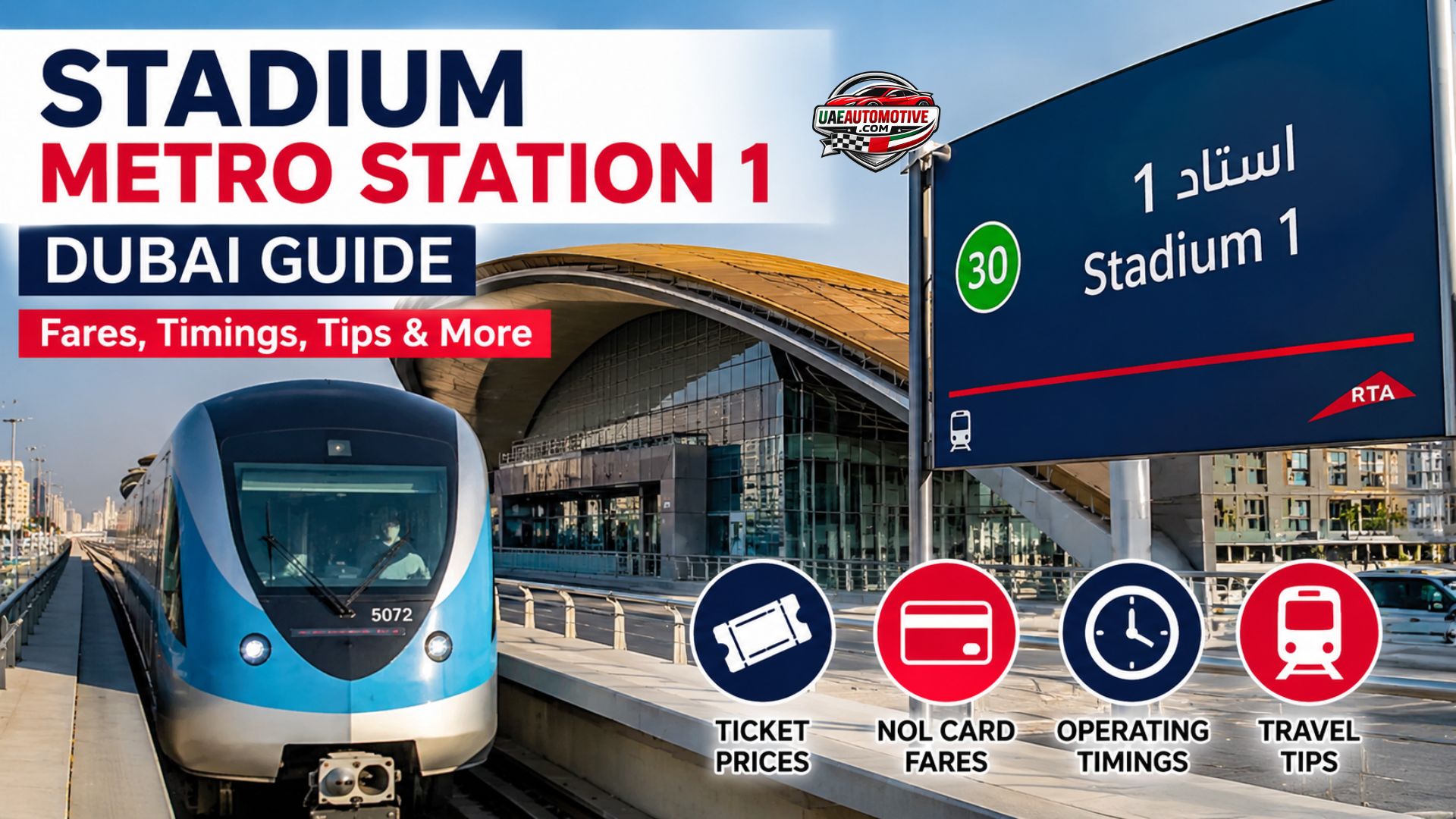
Dubai moves fast until an event ends near a stadium.
Then suddenly, thousands of people pour onto the streets at the exact same time. Taxi queues stretch longer than expected. Ride-hailing apps jump into surge pricing. Tourists stop in the middle of walkways checking maps they barely understand. Metro platforms fill quickly. Security staff begin redirecting pedestrian flow with temporary barriers while commuters quietly look for the least crowded carriage before the next train arrives.
That’s where Stadium Metro Station 1 becomes far more important than it looks on a Dubai Metro map.
For many people, it’s simply another stop on the network. But during football matches, concerts, exhibitions, and large public gatherings nearby, the station transforms into one of the city’s most important crowd-management and mobility hubs. And honestly, that dual personality is what makes the station fascinating.
On ordinary weekdays, the atmosphere feels controlled and predictable. Office workers tap through Nol gates with barely a pause. Students wait near platform doors checking phones. Tourists drag luggage while trying to match station names with hotel bookings. Nearby cafés quietly fill with commuters grabbing karak tea or coffee before work.
But event nights change everything.
The station becomes louder, denser, and more operationally intense. You’ll notice extra RTA staff near entrances. Security presence increases. Digital signs update more frequently. Train boarding becomes more strategic because regular commuters already know which sections of the platform become overcrowded first.
Most online articles about metro stations stay frustratingly shallow. They repeat generic phrases like “well connected” or “easy to access” without explaining what the actual commuter experience feels like. That’s usually what travelers want to know most — especially in a city like Dubai where timing, route planning, and station familiarity can save enormous amounts of stress.
If you’re planning to use Stadium Metro Station 1 in Dubai, particularly during a major event, there are several things worth understanding beforehand that most first-time visitors only learn after getting caught in the crowd.
Readers Must Love It: Dubai Internet City Metro Station 2
- Quick Overview of Stadium Metro Station 1 Dubai
- Where Stadium Metro Station 1 Fits Into Dubai’s Metro Network
- Location and Connectivity: Why Stadium Metro Station 1 Matters More Than Most People Realize
- Why Stadium Metro Station 1 Matters During Major Events in Dubai
- What the Station Feels Like on Normal Weekdays
- The Real Experience After Football Matches and Concerts
- Best Time to Use Stadium Metro Station 1 Dubai
- Nearby Attractions, Hotels, and Commercial Areas
- Hidden Commuter Tricks Regular Dubai Metro Users Know
- Accessibility Features That Matter in Real Life
- Common Problems People Face at Stadium Metro Station 1
- Ticket Prices and Nol Card Fares at Stadium Metro Station 1
- Which Nol Card Actually Makes the Most Sense?
- Nol Card Tips Most Tourists Learn Too Late
- Important Fare Rules Tourists Often Learn the Hard Way
- Monthly Passes Make a Huge Difference for Daily Commuters
- A Small Detail Most Experienced Dubai Commuters Understand
- The Psychology Behind Crowd Movement at Stadium Stations
- Why Dubai Metro Often Beats Driving During Major Events
- Key Takeaways
- Final Thoughts
- FAQs
Quick Overview of Stadium Metro Station 1 Dubai
| Feature | Details |
| Location | Dubai, United Arab Emirates |
| Metro Network | Dubai Metro |
| Transit Authority | Roads and Transport Authority (RTA) |
| Main Function | Stadium access and urban commuter transit |
| Common Users | Office workers, tourists, sports fans, students |
| Peak Crowd Times | Football matches, concerts, evening rush hours |
| Payment System | Nol Card |
| Nearby Areas | Stadium district, hotels, cafés, commercial zones |
Where Stadium Metro Station 1 Fits Into Dubai’s Metro Network
Dubai’s metro system was designed differently from many older transit networks around the world.
The stations prioritize:
- efficiency
- climate-controlled movement
- rapid passenger flow
- multilingual navigation
- tourist accessibility
- high-volume urban mobility
Stadium Metro Station 1 plays a particularly important role because it connects everyday commuter traffic with event-driven passenger surges.
That balance matters.
On weekdays, the station mainly serves:
- office commuters
- nearby residents
- retail workers
- tourists moving between attractions
- students using public transport regularly
But during football matches, entertainment events, and public gatherings nearby, passenger numbers can rise dramatically within a very short time.
That’s when the station shifts into crowd-management mode.
Location and Connectivity: Why Stadium Metro Station 1 Matters More Than Most People Realize
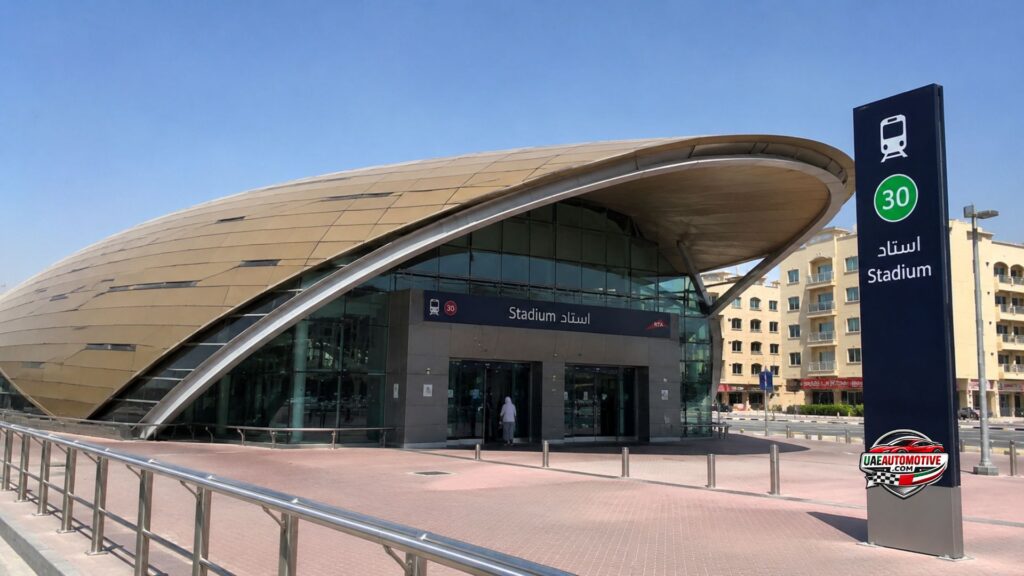
Stadium Metro Station 1 is not just another stop on Dubai’s Green Line. Its real importance comes from how intelligently it connects residential districts, commercial zones, public transport routes, and high-traffic movement corridors across older Dubai.
That strategic positioning changes how people move through the city every single day.
Stations located near stadium zones often become much more than transport points. They evolve into:
- major commuter connectors
- event transportation hubs
- commercial activity centers
- pedestrian movement corridors
- bus and metro interchange anchors
And that matters far more than many travelers initially understand.
Large urban venues naturally attract pressure. During sporting events, concerts, public gatherings, or peak commuting hours, surrounding roads can become chaotic surprisingly fast. Parking shortages spread into residential streets. Taxi demand spikes aggressively. Traffic bottlenecks affect even people who have nothing to do with the event itself.
Without strong rail connectivity, entire districts can slow down within minutes.
That is where Stadium Metro Station 1 becomes strategically valuable.
Instead of forcing thousands of people onto already crowded roads, the station channels passenger movement through Dubai Metro’s high-capacity rail system. One arriving train can remove hundreds of vehicles from nearby roads almost instantly. The impact extends well beyond the station itself.
You see the difference in:
- smoother traffic circulation
- reduced travel delays
- lower fuel consumption
- improved pedestrian flow
- faster emergency vehicle access
- reduced parking stress
- safer crowd management during events
Urban planners obsess over this kind of infrastructure because a well-positioned metro station can quietly reshape the behavior of an entire district.
And Stadium Metro Station 1 does exactly that.
Stadium Metro Station 1 Connectivity With Other Dubai Metro Stations
Another reason this station remains important is its direct Green Line connectivity with several high-demand destinations across Dubai.
Passengers can travel efficiently toward commercial, residential, medical, and interchange zones without relying entirely on taxis or private cars.
Direct Green Line Connections
| Connected Station | Why It Matters |
| Etisalat by e& | Major eastern terminal connection |
| Al Qusais | Residential and commercial access |
| Al Nahda | High-density commuter district |
| Abu Hail | Local residential connectivity |
| Union | Interchange with Red Line |
| BurJuman | Access to business and shopping zones |
| Al Fahidi | Historical Dubai attractions |
| Baniyas Square | Traditional souks and trading markets |
| Dubai Healthcare City | Hospitals and medical centers |
| Creek | Waterfront transport connectivity |
This network gives commuters flexibility that many road users simply do not have during peak traffic periods.
For example, someone traveling from Al Nahda toward Bur Dubai can avoid long road congestion by using the Green Line through Stadium Metro Station 1 and interchanging at Union or BurJuman when necessary.
That reliability becomes extremely valuable during weekday rush hours.
Connectivity Beyond the Metro Network
One overlooked strength of Stadium Metro Station 1 is how effectively it integrates with Dubai’s wider public transportation ecosystem.
The station supports movement through:
- RTA feeder buses
- nearby taxi routes
- ride-hailing pickup zones
- pedestrian walkways
- residential transport corridors
This multi-layered connectivity is especially useful for commuters traveling between Dubai and Sharjah, where road traffic regularly becomes one of the biggest daily frustrations for residents.
Many experienced commuters intentionally combine metro travel with feeder buses to reduce both travel costs and commuting stress.
And honestly, once you experience heavy traffic on Al Ittihad Road during peak evening hours, the value of a properly connected metro station becomes painfully obvious very quickly.
Google Map Location
Take a look at this as well: Emirates Tower Metro Station
Why Stadium Metro Station 1 Matters During Major Events in Dubai
Dubai handles large-scale public events differently from many cities.
The infrastructure is highly organized, but that doesn’t mean congestion disappears completely. It simply becomes more controlled.
After major events near the stadium district, surrounding roads often experience:
- heavy taxi demand
- ride-share surge pricing
- slow vehicle movement
- crowded pedestrian crossings
- long pickup delays
This is exactly where Dubai Metro becomes the smarter option.
Instead of sitting inside traffic near Sheikh Zayed Road or surrounding event corridors, thousands of passengers move through the rail network far more efficiently.
And you can feel the atmosphere changing around the station hours before the event even begins.
Outside the station:
- food kiosks become busier
- tourists gather near signage
- event merchandise vendors appear
- police and security staff increase visibility
- Nol card recharge machines develop queues
The station starts feeling less like transit infrastructure and more like part of the event experience itself.
What the Station Feels Like on Normal Weekdays
This surprises many visitors.
Outside major event timings, Stadium Metro Station 1 is usually calm, efficient, and relatively comfortable compared to older transit systems globally.
Morning commuters move quickly through gates without much hesitation. The station environment feels structured and clean. Air-conditioned walkways provide relief from Dubai heat, especially during summer months when outdoor movement becomes exhausting within minutes.
One hidden advantage of stadium-linked stations is that they’re designed to survive very large passenger surges.
That means regular commuters benefit daily from:
- wider platforms
- larger concourses
- clearer directional signage
- stronger lighting
- better ventilation
- multiple exits
- organized pedestrian flow
Older metro systems often feel cramped even during ordinary rush hours.
Stadium Metro Station 1 generally handles regular traffic more smoothly because the infrastructure was built around high-capacity event planning from the start.
The Real Experience After Football Matches and Concerts
This is where first-time visitors often underestimate the situation.
Getting people into a stadium is relatively easy.
Getting thousands of people out at exactly the same time is the real challenge.
Immediately after major events nearby, the station often experiences:
- crowded escalators
- slower platform movement
- temporary crowd barriers
- controlled pedestrian lanes
- packed train doors
- overloaded mobile networks
One thing regular Dubai Metro users quickly learn:
the closest exit is not always the fastest exit.
Most people instinctively follow the largest crowd without checking whether smaller exits nearby are moving faster.
Experienced commuters often avoid the stadium-facing escalators entirely because congestion builds there almost immediately after events end.
Some locals deliberately wait inside nearby cafés for 20 minutes before entering the station because they already know the first post-event surge is usually the worst.
That small timing adjustment can completely change the experience.
Must Read It: Burj Khalifa/Dubai Mall Metro Station
Best Time to Use Stadium Metro Station 1 Dubai
Timing matters far more than many visitors realize.
| Time Period | Crowd Level |
| Early Morning | Moderate |
| Office Rush Hours | Heavy |
| Midday | Comfortable |
| Two Hours Before Events | Increasing steadily |
| Immediately After Events | Extremely crowded |
| Late Evening | Depends on nearby events |
If you’re attending a football match or concert nearby, arriving early is almost always smarter than trying to cut timing close.
Security screening, pedestrian congestion, and platform crowding can slow movement much more than expected.
Stadium Metro Station 1 Dubai Operating Hours
| Day | First Train | Last Train |
|---|---|---|
| Monday | 5:00 AM | 12:00 AM |
| Tuesday | 5:00 AM | 12:00 AM |
| Wednesday | 5:00 AM | 12:00 AM |
| Thursday | 5:00 AM | 12:00 AM |
| Friday | 5:00 AM | 1:00 AM (next day) |
| Saturday | 5:00 AM | 12:00 AM |
| Sunday | 8:00 AM | 12:00 AM |
Nearby Attractions, Hotels, and Commercial Areas
One reason Stadium Metro Station 1 remains busy consistently is its connection to surrounding commercial activity.
Areas around the station commonly include:
- cafés
- quick-service restaurants
- hotels
- convenience stores
- sports merchandise shops
- pharmacies
- pedestrian retail zones
- taxi pickup areas
During major events, nearby businesses benefit enormously from commuter traffic.
After concerts or matches, restaurants often remain crowded long after the stadium empties because many passengers intentionally wait before entering the metro system again.
This creates a surprisingly active nighttime atmosphere around the station area.
Hidden Commuter Tricks Regular Dubai Metro Users Know
These small habits make a huge difference during crowded periods.
Use Rear Train Carriages
- Most passengers gather near central platform sections automatically.
- Rear coaches are often less crowded, especially after events.
Avoid Rushing Out Immediately
- Many experienced commuters stay nearby briefly instead of entering the station during the first crowd wave.
- That single decision often saves significant stress.
Screenshot Maps Before Arrival
- Large crowds occasionally slow mobile data speeds, especially after concerts and football matches.
- Offline directions help more than visitors expect.
Use Secondary Exits
- The primary stadium-facing exit usually becomes the slowest-moving route after events.
- Regular commuters already know this.
Don’t Automatically Queue for Escalators
One funny but common pattern:
- people stand in long escalator lines while nearby stairs remain almost empty.
- Frequent metro users stop making this mistake quickly.
You May Love It: BurJuman Metro Station Exit 4
Accessibility Features That Matter in Real Life
Dubai Metro stations generally maintain strong accessibility standards, and Stadium Metro Station 1 benefits from that infrastructure.
Useful features may include:
- elevators
- tactile guidance flooring
- barrier-free entry systems
- wide automated fare gates
- audio announcements
- multilingual digital signage
These systems become especially important during high-density crowd movement when navigation becomes more stressful for travelers unfamiliar with the station layout.
Common Problems People Face at Stadium Metro Station 1
Even well-designed systems struggle under sudden passenger surges.
And stadium stations experience recurring challenges everywhere in the world.
Ride-Hailing Pickup Chaos
Immediately after events:
- Careem and Uber demand spikes
- surge pricing increases sharply
- pickup zones become congested
- nearby roads slow dramatically
Walking slightly farther away from the station often improves both pickup speed and fare prices.
Tourist Navigation Confusion
Visitors unfamiliar with Dubai Metro sometimes follow crowds automatically instead of checking platform direction carefully.
That mistake can add unnecessary delays.
Platform Bottlenecks
Passengers naturally cluster near familiar exits rather than spreading evenly across the platform.
This slows boarding much more than most people realize.
Mobile Network Slowdowns
Thousands of people trying to upload videos, livestream events, or book rides simultaneously can temporarily affect network performance nearby.
Ticket Prices and Nol Card Fares at Stadium Metro Station 1
One thing many first-time Dubai Metro users misunderstand is how fares are actually calculated. People often assume the system charges by exact distance traveled, but Dubai Metro works differently. The Roads and Transport Authority (RTA) uses a zone-based fare structure, meaning your ticket price depends on how many transport zones you cross during the journey — not simply how many stations you pass.
At first, that sounds slightly confusing.
But after a day or two using the metro, most commuters realize the system is actually very efficient.
For passengers traveling through Stadium Metro Station 1, most everyday trips usually fall into either the 1-zone or 2-zone category, especially when heading toward areas like Deira, Bur Dubai, Dubai Healthcare City, or nearby residential districts connected through the Green Line.
And honestly, compared to post-event taxi fares in Dubai, metro pricing feels surprisingly reasonable.
After football matches or concerts nearby, ride-hailing prices can jump fast. Meanwhile, thousands of metro passengers are still crossing the city for just a few dirhams.
Dubai Metro Fare Structure From Stadium Metro Station 1
| Journey Type | Silver Nol Card | Gold Nol Card | Red Ticket |
| Within 1 Zone | AED 3 | AED 6 | AED 4 |
| Across 2 Zones | AED 5 | AED 10 | AED 6 |
| Across 3+ Zones | AED 7.50 | AED 15 | AED 8.50 |
These fares apply across the Dubai Metro network, including journeys connected through the Green Line serving Stadium Metro Station 1.
Which Nol Card Actually Makes the Most Sense?
This depends entirely on how often you plan to use Dubai Metro.
A lot of tourists buy the wrong option simply because they don’t understand how quickly small fare differences add up over multiple daily trips.
You May Like It: Dubai ADCB Metro Station
Silver Nol Card — The Best Balance for Most Travelers
The Silver Nol Card is easily the most practical option for the majority of passengers using Stadium Metro Station 1 regularly.
It’s what most Dubai residents, office commuters, and repeat visitors carry daily.
Why people prefer it:
- lower metro fares
- rechargeable balance
- works across metro, buses, trams, and feeder buses
- cheaper long-term than Red Tickets
- faster movement through stations during busy periods
The card itself typically costs around AED 25, including preloaded travel credit.
And honestly, if you’re staying in Dubai for more than a couple of days, the Silver Nol Card almost always becomes the smarter financial choice.
Especially if you expect to move around the city frequently.
Gold Nol Card — More Space, Less Stress
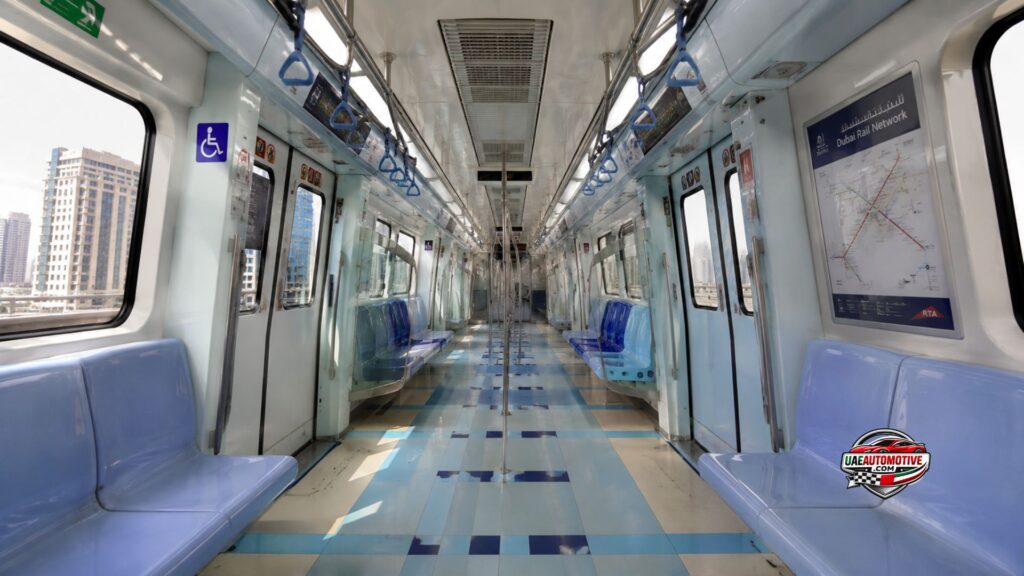
Gold Class on Dubai Metro feels very different during peak hours.
On ordinary afternoons, many commuters don’t bother paying extra because standard cabins already feel comfortable enough. But during heavy evening rush periods — especially after events near Stadium Metro Station 1 — Gold Class suddenly starts making more sense.
Gold Class cabins usually offer:
- quieter seating areas
- fewer standing passengers
- easier boarding
- more personal space
- less crowd pressure after events
The downside, of course, is the fare.
Gold Class costs roughly double standard Silver Nol pricing.
Still, some commuters swear it’s worth every dirham after long workdays or crowded football nights when standard cabins become packed shoulder-to-shoulder.
Red Ticket — Fine for Short Visits
The Red Ticket works best for:
- occasional metro users
- tourists making only a few journeys
- one-time trips
- visitors staying briefly in Dubai
But this is where many travelers unknowingly spend more money than necessary.
At first, Red Tickets seem simple and convenient. Then after several rides, passengers realize they’re paying higher fares repeatedly compared to Silver Nol users.
That difference becomes noticeable surprisingly quickly.
Estimated Metro Fares From Stadium Metro Station 1 to Popular Destinations
| Destination | Estimated Fare (Silver Nol) |
| Union Station | AED 5 |
| BurJuman | AED 5 |
| Al Fahidi | AED 5 |
| Dubai Healthcare City | AED 5 |
| Creek Station | AED 5–7.50 |
| Dubai Mall / Burj Khalifa | Around AED 5 with interchange |
These are approximate standard fares based on current zone crossings, interchange routes, and standard Silver Nol pricing.
Nol Card Tips Most Tourists Learn Too Late
Dubai Metro runs on the Nol Card system, and event nights make preparation especially important.
Here’s what experienced commuters usually do:
- recharge cards before peak hours
- avoid ticket machine queues after events
- keep backup balance available
- use digital balance checks when possible
One common mistake tourists make is waiting until after an event to recharge cards.
That can become frustrating very quickly when hundreds of passengers are trying to use the same machines simultaneously.
Important Fare Rules Tourists Often Learn the Hard Way
Some of the most frustrating Dubai Metro mistakes happen because passengers miss small system details.
And unfortunately, people usually discover them during rush hour.
Minimum Balance Requirement
Dubai Metro requires a minimum Nol Card balance before passengers can enter through station gates.
Generally, commuters need at least AED 7.50 available on the card.
A surprising number of tourists only realize this while standing at the gate with a growing queue behind them.
During busy event nights near Stadium Metro Station 1, that situation becomes stressful very quickly.
Forgetting to Tap Out Can Cost You More
Dubai Metro calculates fares using both:
- entry taps
- exit taps
If you forget to tap out at your destination station, the system may automatically charge the maximum possible fare for the journey.
And honestly, this happens more often than people admit — especially when crowds are heavy and passengers are distracted after football matches or concerts.
Regular commuters become extremely careful about this because repeated mistakes quietly drain Nol balances over time.
Metro and Bus Transfers Can Reduce Costs
One of the smarter features inside Dubai’s transport system is integrated travel between:
- Dubai Metro
- RTA feeder buses
- public buses
- tram connections
If transfers happen within the allowed timeframe, the journey may count as one connected trip instead of multiple separate fares.
That becomes especially useful for commuters using Stadium Metro Station 1 alongside nearby feeder bus routes connecting residential areas.
Read It: DMCC Metro Station
Monthly Passes Make a Huge Difference for Daily Commuters
People commuting through Stadium Metro Station 1 every weekday usually stop thinking about single fares eventually.
Because daily trips add up faster than expected.
That’s why many long-term commuters choose:
- 7-day passes
- 30-day passes
- multi-zone subscriptions
- annual travel plans
For example:
a 30-day all-zone Silver Nol pass costs around AED 350.
For residents traveling regularly between areas like Al Nahda, Deira, Bur Dubai, or central Dubai business districts, these subscriptions often reduce monthly transportation costs significantly.
And perhaps more importantly, they remove the constant annoyance of checking balance levels every few days.
A Small Detail Most Experienced Dubai Commuters Understand
People new to Dubai usually focus only on the metro fare itself.
Experienced commuters think about the bigger picture.
The real value of stations like Stadium Metro Station 1 often comes from:
- avoiding parking fees
- reducing fuel expenses
- escaping post-event traffic
- avoiding surge-priced taxis
- reaching destinations more predictably
- eliminating parking stress during football matches and concerts
That’s one reason Dubai Metro remains heavily used even in a city strongly associated with cars and highways.
Sometimes spending AED 5 on a metro ride saves far more than money.
The Psychology Behind Crowd Movement at Stadium Stations
This becomes surprisingly noticeable once you pay attention to it.
Passengers behave differently after emotional events.
Fans leaving after a dramatic football win move differently from disappointed crowds after a loss. Concertgoers stop more frequently for photos. Tourists hesitate near signs while experienced commuters move aggressively through familiar routes because they already know where congestion builds first.
RTA crowd-control planning accounts for these behaviors.
That’s why stations use:
- temporary walking barriers
- repetitive announcements
- guided pedestrian lanes
- visible security staff
- controlled platform access
The goal isn’t simply movement.
It’s controlled movement under pressure.
Why Dubai Metro Often Beats Driving During Major Events
Trying to leave a crowded stadium district in Dubai by car can become exhausting very quickly.
Metro travel avoids many of the biggest frustrations:
- parking delays
- road congestion
- surge-priced taxis
- slow-moving event traffic
- crowded pickup zones
That’s why many regular event attendees prefer Dubai Metro even when they own cars.
The predictability alone makes a difference.
Key Takeaways
- Stadium Metro Station 1 Dubai becomes extremely crowded during football matches and concerts.
- Dubai Metro is often faster and less stressful than driving during major events.
- Rear train coaches and secondary exits usually reduce congestion.
- Nol Cards should be recharged before peak crowd periods.
- Mobile networks may slow down after large public gatherings.
- Nearby cafés and restaurants become crowded after events as commuters wait for crowds to thin.
- Timing decisions dramatically affect the overall travel experience.
Don’t Forget To Read It: Business Bay Metro Station Exit 1
Final Thoughts
Stadium Metro Station 1 is much more than another stop inside Dubai’s metro system.
On ordinary weekdays, it quietly supports the movement of commuters, tourists, students, and workers across one of the world’s busiest urban environments.
But during football matches, concerts, and major public events, the station transforms into something far more operationally complex — a carefully managed crowd-dispersal system responsible for moving enormous numbers of people safely and efficiently through a high-pressure environment.
And honestly, that transformation is what makes stations like this so interesting.
Most people only notice transit infrastructure when it fails.
But the amount of planning, crowd psychology, movement engineering, and operational coordination happening behind the scenes at stations like this is enormous — even if commuters only notice it when the platform suddenly fills after the final whistle.
FAQs
Where is Stadium Metro Station 1 located?
Stadium Metro Station 1 is located in Dubai, United Arab Emirates, within the Dubai Metro network and near major event and stadium areas.
Which metro line serves Stadium Metro Station 1?
The station operates as part of Dubai’s metro transit system under the Roads and Transport Authority (RTA).
Is Stadium Metro Station 1 crowded during football matches?
Yes. Crowd levels increase significantly before and especially after football matches, concerts, and large public events nearby.
Is Dubai Metro better than driving during stadium events?
In most cases, yes. Dubai Metro usually avoids severe traffic congestion, parking delays, and expensive ride-hailing surge pricing after events.
What payment method is used at the station?
Passengers use Nol Cards for Dubai Metro travel, including entry and exit through station fare gates.
What is the smartest way to avoid post-event congestion?
Using rear train coaches, secondary exits, and waiting briefly before entering the station can make the experience much smoother.
Check: Victoria Cross Metro Station
