

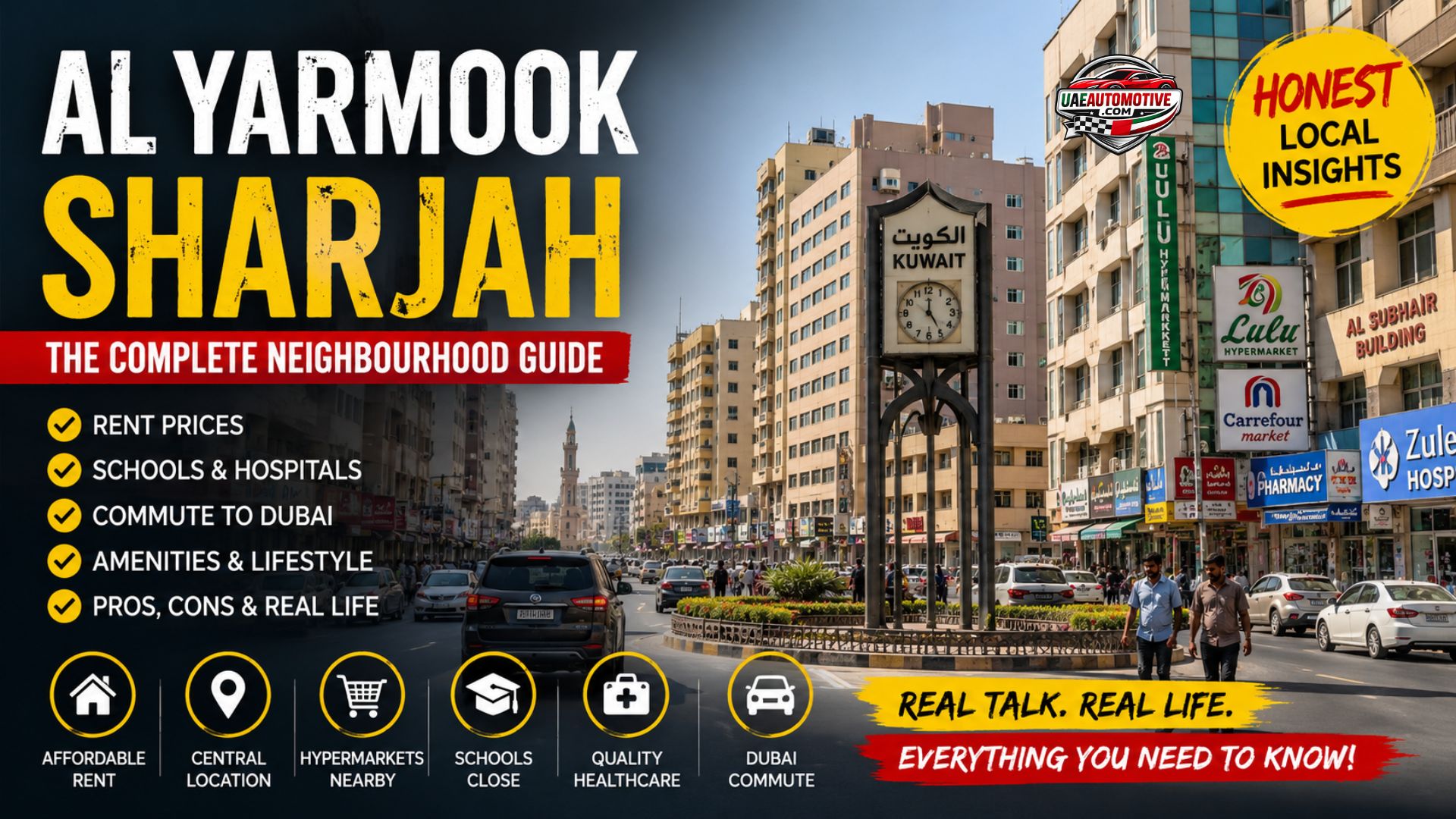
Most people stumble across Al Yarmook the same way — they’re searching for affordable apartments in Sharjah, the name keeps appearing, and suddenly they’re Googling it at midnight trying to decide if it’s actually a decent place to live or just a budget compromise.
The honest answer is: it depends entirely on what you’re looking for. And that’s exactly what this guide is going to tell you — not the sanitised version that glosses over the problems, not the overly negative take either, but the real picture of a neighbourhood that has been quietly housing tens of thousands of expatriates for decades. Al Yarmook Sharjah isn’t glamorous. It doesn’t try to be. What it does offer is central location, genuine walkability, some of the lowest rents in urban Sharjah, and a community texture that takes years to build and can’t be manufactured.
If you’re considering moving here, working near here, or just trying to understand Sharjah’s residential landscape — read this fully before making any decisions.
Have A Look On It: Al Ghafiya
- Quick Overview at a Glance
- Where Al Yarmook Actually Sits — And Why It Matters
- What You're Actually Paying For: The Rental Market Explained
- The People Who Live Here — A Genuine Community Portrait
- Daily Life Here: The Honest Picture
- The Dubai Commute: No Sugar-Coating
- Healthcare, Schools, and Government Services
- What other Guides Consistently Miss
- Who Al Yarmook Is Right For — And Who It Isn't
- Final Thoughts
- FAQs
Quick Overview at a Glance
| Detail | Information |
| Location | Halwan Suburb, Central Sharjah |
| Borders | Al Musalla (N), Abu Shagara (S), Al Fayha (E), Bu Daniq (W) |
| Central Landmark | Kuwait Square (Kuwait Roundabout) |
| Main Road Access | Al Wahda Street / E311 / E611 |
| Studio Rent | AED 10,000 – 14,000/year |
| 1-BHK Rent | AED 13,000 – 18,000/year |
| 2-BHK Rent | AED 19,000 – 36,000/year |
| Average Asking Rent | ~AED 24,500–25,000/year |
| Property Type | Low to mid-rise rental apartments |
| Key Hypermarkets | Lulu, Carrefour, Nesto (all within the district) |
| Churches | 16 (largest Christian hub in Sharjah) |
| Mosques | Multiple, including Hakeem Bin Al Harith Mosque |
| Schools Nearby | Indian Islahi Islamic School, Pakistani Islamia Higher Secondary, Progressive English School |
| Hospitals | Zulekha Hospital (~10 mins), Saudi German Hospital, Al Zahra Hospital (~8 mins) |
| Dubai Commute (Off-Peak) | 15–30 minutes |
| Dubai Commute (Rush Hour) | 45–75 minutes |
| Best For | Expatriate families, Dubai commuters, South Asian & Christian communities |
Where Al Yarmook Actually Sits — And Why It Matters
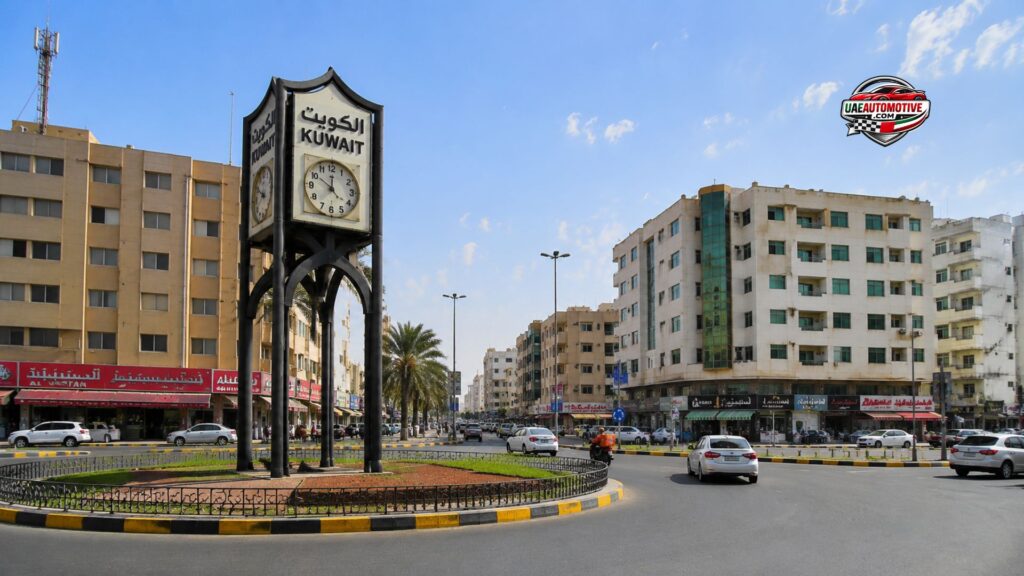
Al Yarmook is part of Sharjah’s Halwan Suburb, positioned at the centre of a cluster of neighbourhoods that all converge around Kuwait Square — the roundabout that locals use as their unofficial compass for the entire zone. Al Musalla and Al Manakh sit to the north. Abu Shagara is to the south. Al Fayha to the east, Bu Daniq to the west.
On a map it looks like just another urban block. On the ground, the central positioning becomes very real, very quickly.
Al Wahda Street — the main artery also known as the Sharjah–Dubai Road — passes directly through this zone and connects into Sheikh Mohammed Bin Zayed Road (E311) and Emirates Road (E611). Getting to Sharjah City Centre, the Cultural Palace, or the old Rolla area takes less than fifteen minutes by car. The Heart of Sharjah heritage district is roughly ten minutes away. Sharjah International Airport sits about 15 km northeast.
This is not a fringe area. It’s not one of those places where “central” is used loosely by agents who hope you won’t look too carefully at the map. Al Yarmook genuinely sits close to the pulse of urban Sharjah.
The neighbourhood’s roots go back to Sharjah’s early residential expansion — a time when the emirate built low-density family housing with wide streets and traditional villa layouts. Over decades, that original fabric was layered over with apartment buildings as Sharjah absorbed waves of expatriate workers who needed affordable housing within commuting range of Dubai. The villas are mostly gone now. The wide streets mostly remain, though they carry considerably more traffic than they were ever designed for.
Google Map View
What You’re Actually Paying For: The Rental Market Explained
The rental numbers in Al Yarmook look almost too good if you’re coming from a Dubai mindset. Studios at AED 10,000 to 14,000 annually. One-bedroom apartments between AED 13,000 and AED 18,000. Two-bedrooms from AED 19,000 and up to AED 36,000 for something genuinely upgraded.
The average asking rent across all property types on major platforms hovers around AED 24,500–25,000 per year. Bayut data shows rents have ticked up about 2% in recent months, which reflects growing demand from Dubai workers who are being pushed further from the border by rent increases in Al Nahda and neighbouring areas.
But the raw numbers only tell part of the story.
Building quality in Al Yarmook varies more than in almost any other Sharjah neighbourhood. The area has genuinely old stock alongside brand-new towers, and they sometimes sit a hundred metres apart on the same street. Older buildings can mean ageing plumbing, inconsistent water pressure, outdated electrical fittings, and lifts that have seen better days. The newer towers — many of which have gone up in the last three to five years — offer modern finishes, building gyms, covered parking, and a noticeably better living experience.
The price gap between old and new is real but not always as dramatic as logic would suggest. Sometimes spending AED 2,000–3,000 more per year buys you a dramatically better building. That calculation is almost always worth making.
The parking issue deserves its own mention. Several buildings in Al Yarmook — particularly older ones — have no covered parking at all. Residents pay for street parking or compete daily for spots. This is routinely the number one complaint among new residents who didn’t ask the right question before signing their lease. Ask specifically: does this building have covered or allocated parking? Not “is parking available nearby.” The specific question.
Al Subhair Building is frequently cited as a popular choice, partly for its ground-floor restaurants and central position. For investors, Bayut lists properties for sale in Al Yarmook ranging from AED 450,000 to AED 2,800,000, though this remains primarily a rental market.
The People Who Live Here — A Genuine Community Portrait
Al Yarmook is one of the most multicultural neighbourhoods in Sharjah at the street level. Not curated multiculturalism — the organic kind that happens when people from many backgrounds choose the same postcode because it works for their lives and budgets.
The South Asian community forms the most visible presence. Indian and Pakistani families have been rooted here for decades, and the community infrastructure reflects that depth — schools running Indian curriculum, Pakistani Islamia Higher Secondary School, familiar grocery chains stocking subcontinental staples, and restaurants where the food tastes like it was made by someone who grew up eating it. The Filipino community is also significant, partly because Sharjah’s healthcare sector draws large numbers of Filipino nurses and medical professionals, many of whom find Al Yarmook’s central location and low rents ideal.
There are Arab residents too — both Emirati and Arab expatriates — though they form a smaller portion of the neighbourhood’s daily demographic.
The 16 Churches: Al Yarmook’s Most Distinctive Feature
This is the aspect of Al Yarmook that almost no area guide covers with the seriousness it deserves.
Al Yarmook is home to sixteen churches. Sixteen. In a single neighbourhood. That is the highest concentration of Christian places of worship anywhere in the emirate of Sharjah, and it makes this community genuinely significant for the UAE’s Christian population.
St. Michael’s Roman Catholic Church is the largest, capable of seating several hundred worshippers during Sunday mass. Alongside it stands a Russian Orthodox Church, Sharjah Marthoma Church, Grace Evangelical Church, St. Gregory the Illuminator Armenian Church, and more than ten others serving different denominations and different linguistic communities — Malayalam-speaking congregations, Tagalog services, English-language worship, and everything in between.
What this means practically: on Sunday mornings, Al Yarmook draws worshippers from across Sharjah and even some from Dubai who travel specifically to attend their church. The neighbourhood has a distinct Sunday energy — more formally dressed pedestrians, restaurants full after morning services, a slightly quieter quality to the street traffic earlier in the day before the post-church rush begins.
For Christians living anywhere in the UAE’s northern emirates, Al Yarmook is not just a convenient neighbourhood. It is, for many families, the place where their community life actually exists.
Daily Life Here: The Honest Picture
Walk out of almost any apartment building in Al Yarmook and you’re within a short distance of everything you need for daily life. Both a Lulu Hypermarket and a Carrefour operate within the district boundaries — that’s an unusual concentration for a residential neighbourhood of this size. Nesto Hypermarket is also locally present. Then add dozens of baqalas (corner grocery shops) on nearly every block, pharmacies, tailors, hardware shops, bakeries, and produce stands.
The walkability for daily errands is genuinely exceptional by UAE standards, where most neighbourhoods are designed around car access. Families who don’t own a car can actually function here. That matters.
The food scene is the part that surprises most newcomers. Al Yarmook is not a restaurant destination in the glossy sense — nobody is writing Instagram-worthy dinner guides to it. What it has instead is an authentic, affordable, and remarkably diverse range of eating options. Syrian restaurants with proper fattoush and grilled meats. Pakistani dhabas serving karahi and biryani that regulars swear by. Filipino cafeterias with silogs and lechon. Indian vegetarian spots — including Madeenat Haridwar for proper South Indian vegetarian food, and Kebab Point for those chasing Bombay-style flavours. Lebanese bakeries producing fresh manaqeesh and ka’ak in the early morning. Chowking for Pan-Asian comfort food.
These are mostly family-run places that have stayed open because the food is actually good and the prices are honest. A full meal for AED 15–25 is realistic. That daily cost difference — compared to eating in Dubai or a more upscale Sharjah neighbourhood — adds up significantly over a year.
The Gold Center in Al Yarmook houses gold jewellery shops including Joyalukkas and Al Jawdah Jewellery alongside a few dining options, making it a genuine local retail hub. Mega Mall is a short drive away for larger shopping needs. Safeer Mall is also within easy reach.
What daily life doesn’t offer: Al Yarmook is urban, dense, and consistently noisy, particularly near Al Wahda Street. There are small pocket parks scattered through the neighbourhood, and newer apartment buildings include shared pools and basic gyms, but there are no large green spaces locally. Residents who need that drive 10–15 minutes to Al Majaz Waterfront or the Sharjah Corniche. If a quiet, low-density residential environment is a personal priority, this neighbourhood is not going to meet that need.
The Dubai Commute: No Sugar-Coating
This is the question every prospective Al Yarmook resident eventually gets to, and it deserves a completely honest answer rather than the vague “well-connected” language that property listings use.
Off-peak, the drive from Al Yarmook to Deira in Dubai takes roughly 15–30 minutes via Al Wahda Street and Al Ittihad Road. To Dubai International Airport, allow 20–40 minutes. These timings are comfortable and make the neighbourhood viable for Dubai workers.
During peak hours — specifically 7:00 to 9:30 a.m. and 5:30 to 8:00 p.m. — the situation changes dramatically. Al Ittihad Road (E11), the primary Sharjah–Dubai artery, experiences severe bumper-to-bumper congestion starting from Al Nahda and extending well into Dubai. Real-time data from Gulf News traffic reports consistently shows delays of 35–45 minutes on this route during rush hour, and on particularly bad mornings — accidents, rain, school rush days — journey times can push past an hour. Al Wahda Street itself becomes heavily congested through Al Khalidiya well before the Dubai border.
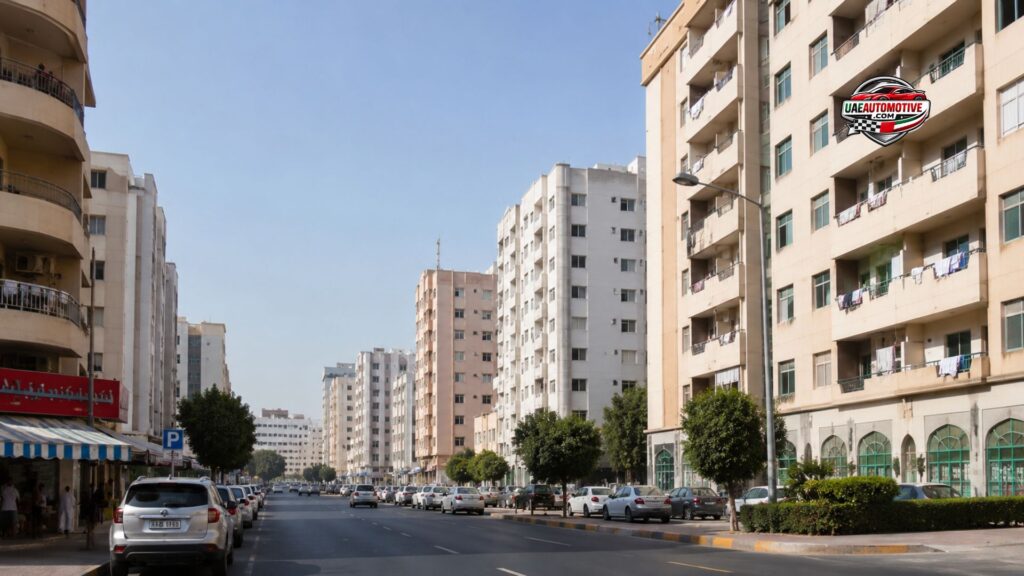
Experienced commuters from Al Yarmook have developed adaptations: leaving before 6:45 a.m. to beat the worst of it, or waiting until after 9:30 a.m. to depart. Some use Sheikh Mohammed Bin Zayed Road (E311) as an alternative, though it faces its own congestion near Muhaisnah. Emirates Road (E611) can offer relief on certain days.
Public transport within Al Yarmook is limited — a handful of bus routes, primarily the 8 and 15 lines, service the area. Most residents use private vehicles or taxis. For those willing to drive to the Dubai side and use the metro, Al Nahda and Stadium metro stations are accessible once you’ve crossed the border, providing onward travel across Dubai without adding to road congestion.
The commute is manageable. It is not painless. Don’t let anyone tell you otherwise.
Healthcare, Schools, and Government Services
Healthcare is genuinely well-served from Al Yarmook. Zulekha Hospital — one of Sharjah’s more comprehensive private hospitals — is roughly a ten-minute drive. Al Zahra Hospital is about eight minutes away. Saudi German Hospital is also within easy reach. Thumbay Hospital Day Care in Rolla is nine minutes from the neighbourhood. A dense network of local clinics and dental practices operates throughout the community itself, so minor medical needs rarely require leaving the area.
Schools picture is more mixed. Within or immediately adjacent to Al Yarmook: Indian Islahi Islamic School, Pakistani Islamia Higher Secondary School, Progressive English School, and Radiant School (both Indian curriculum). These serve the dominant South Asian community well. Families seeking British, American, or IB curriculum will need to travel — Sharjah English School in University City is 10–15 minutes away, which is manageable but requires planning. The University of Sharjah’s proximity also means the neighbourhood attracts student renters, adding to its demographic mix.
Government services are notably concentrated here. Sharjah City for Humanitarian Services — the emirate’s main disability and welfare services organisation — has its office in Al Yarmook. The Ministry of Human Resources is also located in the neighbourhood. This institutional presence means the area is well-connected by transport links that bring visitors from across Sharjah, and it provides a stable institutional base that supports consistent neighbourhood demand.
What other Guides Consistently Miss
Most Al Yarmook content covers the basics — location, rent, churches, shops. Here’s what they don’t tell you:
The Sunday dynamic is unlike any other neighbourhood in Sharjah. Sixteen churches in one area means thousands of people arriving for services on Sunday morning. The foot traffic, the energy, the after-service restaurant rush — it’s genuinely distinctive. If you’re a Christian resident, this is part of your life in a positive way. If you value quiet Sundays, it’s worth factoring in.
Older buildings have specific infrastructure challenges. Summer in the UAE tests air conditioning systems and water supply networks heavily. In older Al Yarmook buildings, AC maintenance delays and occasional water pressure drops during peak summer demand are reported issues. The solution is choosing a newer building — but knowing this exists in the stock is important before you sign.
The cost of daily life is legitimately lower. This sounds obvious given the rents, but it goes further. With two hypermarkets walkable, dozens of competitive grocery stores, and a restaurant scene where AED 20 buys a proper meal, residents find their food and daily spending consistently lower than in more polished neighbourhoods. For families budgeting carefully, this secondary saving is almost as significant as the rent difference.
The neighbourhood’s restaurant scene is underrated. Al Yarmook doesn’t have any viral food spots or social media presence. What it has is a decade of family-run kitchens that have survived because they serve good food at honest prices to a community that eats out regularly. That track record is worth more than a photogenic interior.
Not every building is equal — and the gap is significant. Two buildings on the same street can offer wildly different experiences. One might have a reliable building manager, maintained lifts, and covered parking. The next might have none of those things. Checking specific building reviews on platforms like Bayut and Dubizzle before committing is not optional — it’s essential.
Who Al Yarmook Is Right For — And Who It Isn’t
It works well for: Expatriate families on mid-range budgets who prioritise value and walkable daily convenience. South Asian communities who want schools, familiar food, and cultural familiarity in one place. The Christian community for whom Al Yarmook’s churches are a genuine anchor. Professionals working within Sharjah itself. Dubai workers with flexible hours who can time their commutes around peak traffic.
It’s a harder fit for: Professionals who commute to central or western Dubai daily during peak hours and value their time above the rent savings. People who prioritise quiet, low-density living. Residents who need robust public transport without a car. Those expecting modern building finishes at budget prices — the two don’t always coexist here without careful selection.
There is no nightlife in Al Yarmook — Sharjah is a dry emirate and that shapes the entire entertainment environment. The neighbourhood itself offers virtually no evening entertainment beyond cafeterias and restaurants. What it does offer is community, convenience, and an honest cost of living that very few central locations in the UAE can match.
Don’t Forget To Read It: Al Aweer
Final Thoughts
Al Yarmook Sharjah is a neighbourhood that rewards the right resident. Its rents are among the lowest for genuinely central urban living in the emirate. Its walkability for daily needs is exceptional. Its community texture — built over decades by South Asian families, the Christian congregation, and a diverse expatriate mix — is real and difficult to replicate.
Its weaknesses are real too. The Dubai commute during peak hours is painful. Parking is a genuine problem in older buildings. The noise level near main roads is persistent. Some buildings need careful selection to avoid maintenance headaches.
What it never is: a compromise neighbourhood for people who couldn’t afford somewhere better. For the right person, Al Yarmook is the best choice available in Sharjah. The families who stay longer than they planned to aren’t there by default. They’re there because it works.
FAQs
Is Al Yarmook a good place to live in Sharjah?
For budget-conscious expatriate families, Dubai commuters who time their travel well, and the Christian community, yes — it’s one of Sharjah’s most practical residential choices. For those prioritising silence, luxury finishes, or reliable public transport without a car, it’s a harder fit.
How far is Al Yarmook from Dubai?
Off-peak: 15–30 minutes to Deira by car. During morning rush hour (7–9:30 a.m.) on Al Ittihad Road, the same journey can take 45–75 minutes. Plan accordingly and that commute becomes manageable.
Why does Al Yarmook have so many churches? The neighbourhood has historically housed Sharjah’s Christian expatriate population and gradually became the primary hub for Christian worship in the emirate. Today it hosts sixteen churches of different denominations, making it a weekly destination for Christians from across Sharjah and beyond.
What is the average rent for a 1-bedroom apartment in Al Yarmook?
Between AED 13,000 and AED 18,000 per year, depending on building age, floor, furnishing, and whether covered parking is included. Newer buildings tend toward the higher end.
Are there good supermarkets in Al Yarmook?
Unusually good for a residential area. Both Lulu Hypermarket and Carrefour operate within the district, alongside a Nesto Hypermarket and dozens of smaller grocery stores. Daily grocery runs are walkable for most residents.
Is parking a problem in Al Yarmook?
For some buildings, yes. Older construction often lacks covered or allocated parking, and residents rely on paid street parking that can be scarce in the evenings. Always confirm the specific parking arrangement before signing a lease — it’s the most commonly overlooked practical detail.
What schools are available near Al Yarmook?
Indian curriculum schools dominate the immediate area, including Indian Islahi Islamic School and Pakistani Islamia Higher Secondary School. For other curricula, Sharjah English School (British) in University City is 10–15 minutes away. The University of Sharjah is also nearby.
Is Al Yarmook safe?
Yes, it’s a family-friendly residential area with a generally peaceful atmosphere. The streets are well-maintained and the community-oriented nature of the neighbourhood contributes to a stable, safe environment for residents of all ages.
