
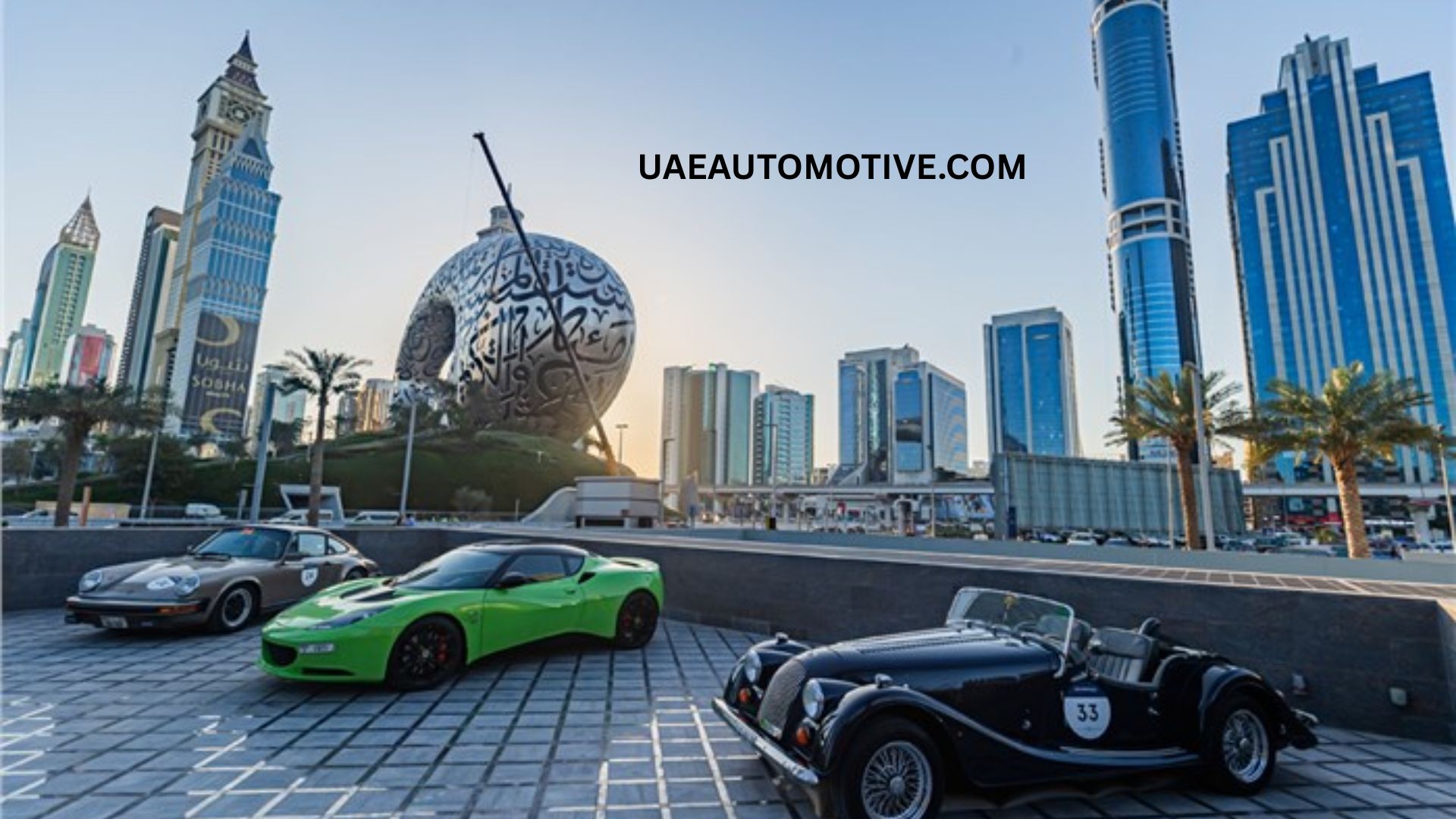
During these years, the United Arab Emirates automotive market has grown to become one of the most important sectors of the country’s economy. The country is strategically positioned at the core of the Middle East and has emerged as an economy hosting a highly diversified population. Innovation, luxury, and sustainability are only underpinned by this fact in the automobile industry. The paper looks at the major players of the UAE automotive landscape, which, according to trends and prospects, will most likely be assumed in the future. Awareness of the dynamics of the sector will provide insight into what it may hold for the enthusiast, investor, and consumer alike.
Main automotive centers in the UAE:
- Dubai – main hub for car dealerships, luxury brands, and re-exports
- Abu Dhabi – major market and government fleet center
- Sharjah – key area for used cars and spare parts
- Ajman – vehicle modification and resale market
- Ras Al Khaimah – manufacturing and assembly (e.g., car parts)
Overview of the UAE’s Automotive Market
Market Size and Growth Trends
The UAE represents the biggest but also one of the fastest-growing automobile markets in the Middle East. With fast growth in population and expatriates having high disposable incomes, the demand for vehicles clearly has gone up during the last couple of years. According to expert opinion, this is going to continue and reach new highs during this decade in respect of the value of the industry.
Readers Must Love It: ADIB Deposit Machine
Key Players and Brands
These range from several brands in the market and ultra-luxury brands to include Rolls-Royce and Lamborghini, to include Mercedes-Benz, all the way up to local players like Al-Futtaim Automotive and Emirates Motor Company. International players are targeting the UAE because it is a strategic market for their expansion strategy, where high-end advanced vehicles appeal to the taste and preferences of locals.
Automotive Manufacturing in the UAE
The Rise of Local Manufacturing
The UAE has been taking giant leaps toward the manufacturing of locally made vehicles. Quite many developments have taken place in the last couple of years in fostering local manufacturing through setting up assembly plants, thereby creating sizeable partnerships between large global automobile players and local companies. At the front among innovative automotive brands promoting local automotive innovation stands Dubai-based high-performance vehicle maker W Motors.
Position of the UAE in the Global Supply Chain
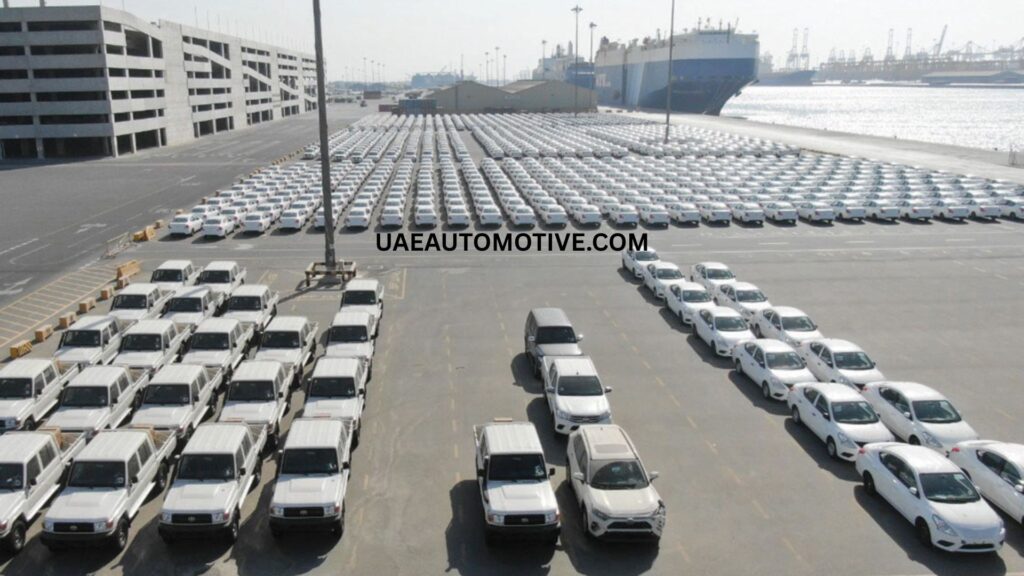
With its strategic positioning, the UAE is well placed to become an international trade hub, building on the role it plays in the global chain of automotive supplies. It is located near the most popular combined markets for automotive products: Asia, Africa and Europe. It is an easy export gateway to most of the important markets. The UAE should, therefore, be in a position to influence the international scene when it comes to automobiles.
| Location | Key Companies / Facilities | Focus Area |
|---|
| Ras Al Khaimah | Ashok Leyland, Steyr Motors | Truck and bus assembly |
| Abu Dhabi | Emirates Global Aluminium, Strata | Automotive materials, components |
| Dubai | Jebel Ali Free Zone (JAFZA) firms | Auto parts manufacturing, exports |
| Sharjah | Industrial Area firms | Spare parts and accessories |
| Fujairah | Small-scale workshops | Vehicle body and repair works |
Consumer Behaviour and Preferences
Car-ownership trends within the UAE
Buying a car in the UAE means both success and is highly relevant for everyday life. High-class cars, SUVs, and off-road vehicles are consequently the most searched models in the UAE because class and adventurous spirit prevail. There are some local cultural and social factors influencing which model to purchase: rich nationals and well-paid expatriates like upscale models.
Influence of Economic Factors on Buying Cars
The economic issues include the fuel prices and fuel efficiency in cars. With increased fuel costs over the years, demand for fuel-efficient vehicles is on the rise; hence, this has forced car manufacturers to pursue the development of hybrid and electric cars.
| Category | Consumer Preference in UAE |
|---|
| Vehicle Type | SUVs and luxury cars dominate |
| Fuel Preference | Petrol over diesel; rising interest in EVs |
| Brand Loyalty | Strong loyalty to premium brands (e.g., Toyota, Nissan, Mercedes) |
| Purchase Decision Factors | Price, fuel efficiency, brand reputation, technology |
| Buying Trend | Growing shift toward online car buying and financing |
| Sustainability Awareness | Increasing interest in hybrid and electric vehicles |
History of the UAE Automotive Industry
The history of the UAE’s automotive sector is inextricably linked with the rapid growth and transformation that turned this country from a small fishing and trading community into one of the most modern and wealthiest nations in the world. From the arrival of the first cars at the beginning of the 20th century to the bustling activity of today in the UAE Automotive market, this paper represents a history of the country’s automotive sector, which has moved in the course taken by the nation for modernization and general economic development and diversification. Now, let’s come to the details of how the automotive sector developed in the United Arab Emirates.
The Early Days: Pre-Oil Era (Before 1960s)
Before the discovery of oil, the UAE was essentially a fishing-and-pearl-diving economy with very limited exposure to modern technology. Transport in this region happened along the traditional lines for many years, meaning camels and boats. A few could afford cars since, at that time, it was a real luxury owned only by very rich merchants or expatriates. A total lack of paved roads and proper infrastructure further limited the applicability of motor vehicles in this region.
The First Cars Arrive
Motor vehicles first arrived in the UAE in the early decades of the 20th century, when many rich families and foreign expats imported them into the country. The first automobiles were imported; the cars generally imported into the country were luxurious; however, due to the presence of just a few rudimentary roads, it was often impossible to travel by car due to the harsh conditions of the desert.
Early Growth – Post-Oil Discovery, 1960s-1970s
The United Arab Emirates was one of those countries that, starting from the 1960s, experienced a leap in the economy right after the discovery of oil. The discovery of oil marked the beginning of rapid infrastructural development, whereby highways and roads were built and opened new avenues for the thriving automotive industry.
Extension of Highway System
It is due to these modernization efforts put into the infrastructure by the government that car usage boomed suddenly. Demands for vehicles within the UAE emerged heavily in this era: both from locals and from expatriates moving to the region. Along with local roads, the UAE also developed highways that connected the country with the neighboring Gulf states. This made traveling by car easier and more feasible.
Emergence of Automobile Dealerships
It was during the 1960s and 1970s that car dealers opened their businesses in the UAE, and international brands such as Ford, Chevrolet, and Mercedes-Benz, amongst others, came into the country. There was much that the UAE’s growing affluence had to offer the global car manufacturers who were eyeing a share of the newfound wealth of the region. Thus, the dealerships sprang up and automobile sales started climbing.
The Boom Years: 1980s-1990s
Success brought about by the oil industry saw the UAE experience the boom of the 1980s and 1990s. This was the period during whereby rapid growth coupled with modernization was taking place in the country, thus providing a perfect environment in whereby the automotive sector could develop even further.
Explosive Luxury Cars
By the late 1980s, the UAE accounted for one of the biggest markets in the world for luxury cars. With a rich population and a considerable number of expats in the country, sharp demand would arise for high-end vehicles such as Rolls-Royce, Porsche and Lamborghini. Most of the luxury brands started setting up a presence within the country as the UAE earned an international reputation for its taste in luxurious cars.
Growth in the Used Car Market
By adding this growth in the used car market to the growth in new car sales of the 1990s, with more foreign workers and expatriates, many bought and sold, hence the second-hand car market became very strong. Demand for well-maintained pre-owned cars has gone up tremendously, even though several car auctions and trade events take place.
Introduction of Auto Financing
It was during this period that options for car financing began to increase in the UAE, making ownership more accessible. Banks and financial institutions began offering car loans, with options for leasing available also. All this made the personal ownership of vehicles more affordable and within reach for the middle class, thus stimulating the market even more
The Modern Era: 2000s-Present
The 2000s ushered in a whole new era for the UAE in the automotive sector, whereby even greater strides in infrastructure, consumer preference, and the introduction of new technologies were realized. Thus, the UAE earned its reputation as one of the most dynamic automotive markets in the world, powered by innovation, sustainability, and diversification.
Expansion of Automobile Manufacturers
Most leading global automobile manufacturers, such as Toyota, Nissan, BMW, and Audi, had established their manufacturing plants, assembly lines, and showrooms in the UAE by the early 2000s. Even the local distributors provided a competitive and diverse marketplace through their ties with overseas manufacturers. A strong economy, allied with ease of doing business and a favorable import-export policy, made the country a perfect base for companies dealing in the UAE automotive industry.
The increasing demand for SUVs and off-road vehicles
During the 2000s, SUVs, or off-road cars, were very popular among Emiratis, taking them for a drive in the desert. Models like the Toyota Land Cruiser and Nissan Patrol gained iconic status thereafter, thus making 4x4s the car of choice for many people within the UAE. Large family vehicles were in very high demand within the UAE automotive market. Therefore, strongly sealed the popularity of SUVs.
Luxury Cars and Exotic Vehicles
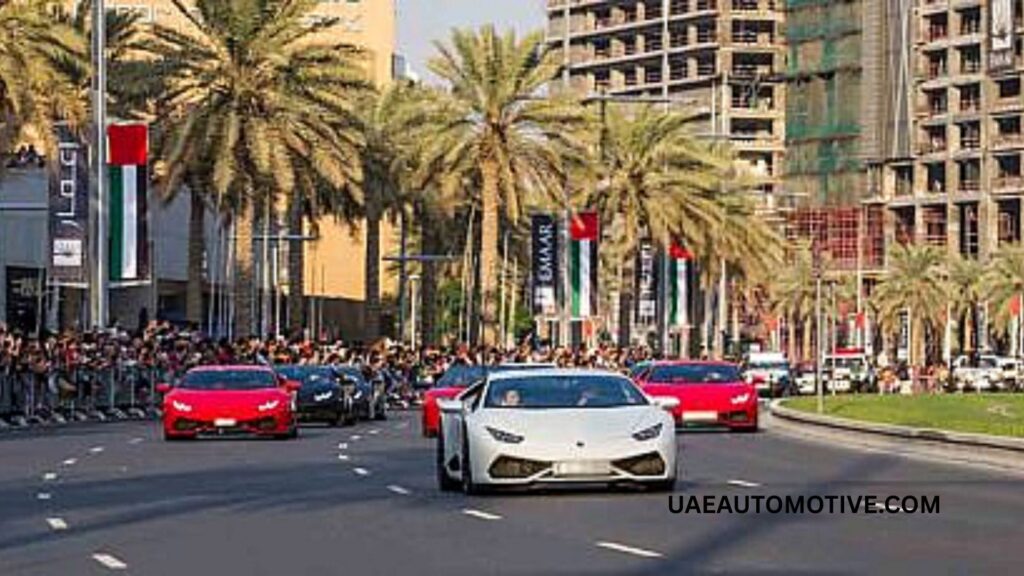
The penchant for luxury kept on increasing in the UAE. The rich elite in the UAE not only bought high-end cars of European brands, but the exotic and rare brands like Bugatti, Koenigsegg and Pagani also made their mark there. The UAE became home for supercar enthusiasts and the streets of Dubai are known for high-performance vehicles running there.
Rise of Electric and Green Automobiles, 2010s-Present
It wasn’t until the 2010s that, in particular, electric vehicle and hybrid car trends began to set an even higher bar for sustainability and environmental responsibility within the UAE. The government joined this trend for sustainability on a global scale, which induced the introduction of supportive initiatives for EVs.
EV Adoption Programs initiated by Governments
The UAE government brought in some policies that would interest the owners of electric cars: Tax exemption on purchase, free registration and allotment of some parking areas for the owners of EVs. Probably the most important step in this respect is the setting up of electric vehicle charging stations across the country. One may notice rapid growth in EV infrastructure in the cities of Dubai and Abu Dhabi, thus making it easy for the residents to opt for electric cars.
Growth of Hybrid and Electric Car Models
Global players like Tesla, BMW, and Nissan launched their electric and hybrid models in the UAE market. Early models to gain acceptance included the Nissan Leaf and Tesla Model S, apart from the BMW i3. The yearning to have fuel-efficient cars and their greener alternatives pressed UAE car buyers to give EVs and hybrids a try as practical options.
The UAE’s Vision for a Sustainable Future
Thus, Vision 2021 of the UAE and the Dubai Clean Energy Strategy 2050 include ambitious plans to drastically reduce carbon emissions and give way to sustainable energy. In this, the push to have green vehicles on the roads involves government commitment to the reduction in the carbon footprint by changing over to electric and self-driving vehicles.
The role of autonomous vehicles and smart mobility
2020s The fast-developing UAE automotive sector is making the development of autonomous vehicles or smart mobility solutions one of its top priorities in the quest to keep competitive in leading innovation across the globe.
Dubai’s Plans for Autonomous Transport By 2030,
Dubai wants 25% of all trips across the city to be made using autonomous vehicles. Interest from the UAE in AI and building smart city infrastructure has turned the country into a place where several tests of autonomous vehicles are conducted. Companies like Waymo, along with local ones, are among those testing their models in the UAE, while the government is very keen on integrating self-driving cars into the public transportation system.
Emergence of Smart Mobility Solution
The very definition of smart mobility covers embedding technologies into transport for efficiency, sustainability, and connectivity. It is the initiatives targeted at creating connected vehicles that may communicate among themselves and with infrastructures, which would allow for smoother management of the traffic with a minimum of accidents. Seamless intelligent transport networks are another vision for the UAE, to which an important role would be played by autonomous vehicles.
Government Role in the Shaping of the UAE Automotive Industry
Policies and Regulations
The government regulations have also played their role in shaping the UAE’s automotive landscape, from very strict vehicle safety standards and emissions regulations, making sure that nothing but the safest and most efficient vehicles hit the roads, to policies aimed at reducing environmental impact and aiding in the rise of electric and hybrid vehicles.
Incentives to adopt an electric vehicle
The government offers tax exemption, reduction in the registration fees, and preferred parking to integrate this new trend in transportation using electric cars. This will place the UAE in the leading regional position for clean energy transportation and further facilitate the process of going green for consumers.
| Area of Involvement | Government Role / Initiative |
|---|---|
| Policy & Regulation | Sets import standards, emission rules, and safety regulations |
| Infrastructure Development | Expands road networks, EV charging stations, and smart mobility |
| Investment & Incentives | Offers tax benefits and free-zone advantages for auto firms |
| Sustainability Goals | Promotes EV adoption under UAE Net Zero 2050 strategy |
| Research & Innovation | Supports R&D in autonomous and electric vehicle technologies |
| Public Awareness Programs | Encourages eco-friendly driving and vehicle maintenance practices |
Impact of Global Trends on the UAE Automotive Market
The Impact of Global Crises (COVID-19 and Supply Chain Disruptions)
From COVID-19 to other crises, supply chains across the globe in the automotive sector broke, including that of the UAE. Events caused delays, increased prices, and altered consumer preferences. The UAE’s automotive market has been very resilient owing to adaptability to the new realities by the manufacturers and dealers, so it always stays stable even during bad times.
Adoption of Global Innovations in the UAE
It doesn’t lag in accepting worldwide automobile innovations, its hybrid technology, or integrating Artificial Intelligence on the roads. This has made the UAE very receptive toward the latest trends in the world and places it as one of the hubs of the latest vehicle technology and innovation.
Future of the UAE Automotive Industry
The Shift to Electric and Autonomous Vehicles
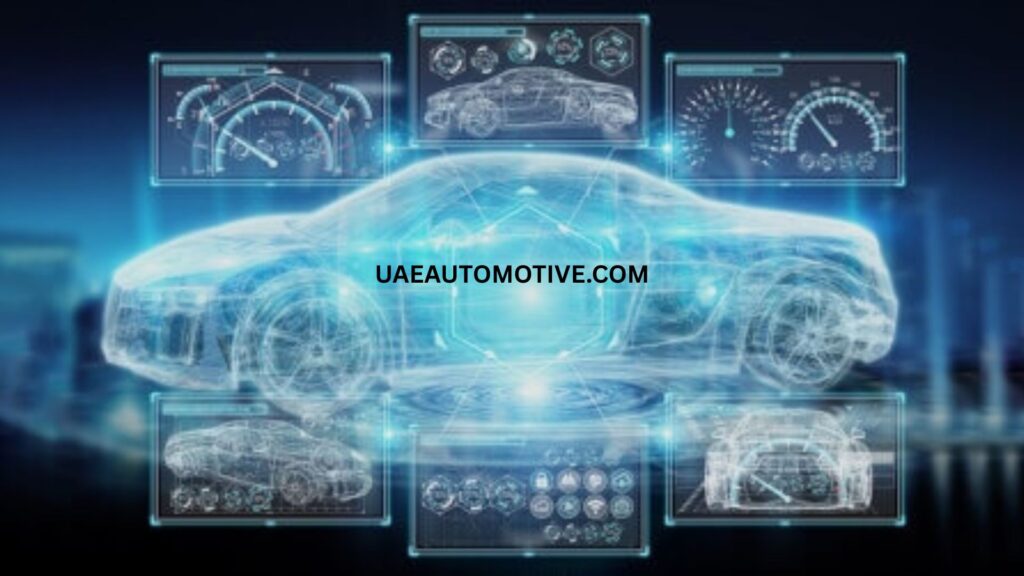
Electric and autonomous vehicles will dominate the roads of the UAE’s automotive market in the days to come. The government promised to make the country sustainable, and it is most likely that consumers will see more EVs on the highways while a full range of autonomous vehicles powered with advanced AI and machine learning go into operation.
Smart city infrastructure in the UAE
As conceptualized by the UAE, Dubai 2040 will be a smart city where integrated transport solutions will redefine the meaning of urban mobility. Along with electric cars and intelligent traffic management comes the autonomous transport systems that will provide safe and easy ways of moving intra-city, befitting the UAE’s ambition of joining the leaders in the adoption of smart city principles.
UAE Automotive Dealership and Aftermarket Services
Dealer Network Structure
Over time, the auto dealership network in the UAE has grown into a mix of brick-and-mortar with an increasingly larger online presence. Quite a few dealerships extend their sales platforms online for easier means to allow consumers to explore options and purchase vehicles from the comfort of their homes. E-commerce is marking its presence across the retail landscape in the automotive industry.
Aftermarket Services and Spare Parts
Market Besides the sale of vehicles, after-sales services keep the UAE’s automotive industry running. Be it customization or maintenance/repair works, the aftermarket sector adds a lot to keeping the cars in their best state. Since the luxury car market is doing well, demand for specialized aftermarket services has also shown an upward trend.
Challenges and Opportunities for the UAE Automotive Industry
Challenges
Despite growth, there are still some challenges facing the automobile market in the UAE. First, though the country is industrializing, the industry in the country is still heavily reliant on oil; therefore, if there were a shift in fuel prices, that would consequently affect the demand for some categories of vehicles. Also, the luxury vehicle segment has reached almost saturation and is thus likely to face tough competition at reduced sales volume.
Opportunities
These are huge development opportunities in the expansion of electric vehicle infrastructure, striving seriously toward green transportation, or probably a solution for smart cities-all this creates huge opportunities both for the manufacturers and for the consumers. A country like the UAE is continuously investing in green technologies, and hence its automotive market is sure to innovate.
| Category | Challenges | Opportunities |
|---|---|---|
| Market Dynamics | High import dependency and limited local production | Potential for local assembly and manufacturing growth |
| Sustainability | Slow EV adoption due to infrastructure gaps | Expansion of EV and hybrid vehicle market |
| Economic Factors | Fluctuating oil prices affecting consumer spending | Diversification through green mobility initiatives |
| Technology | Limited R&D and innovation capacity | Investment in smart and autonomous vehicle tech |
| Competition | Intense regional and global competition | Strategic partnerships with global automakers |
Regional Influence and the Role of the UAE within the Middle Eastern
UAE Automotive Market
An Emerging Export Hub for Automobiles. Given the geography of the UAE, it mainly plays the role of an enabler in the Middle Eastern automotive market. This export-oriented approach thus enables the manufacturer to effectively distribute vehicles across the GCC and even beyond with ease. Further, this will cement the strategic position of the UAE as an automotive hub within the region.
UAE Automotive Events and Exhibitions
Events such as the Dubai International Motor Show further solidify the position of the UAE as a leader in hosting automobile fairs. These fairs bring together manufacturers, suppliers, and buyers under one roof to showcase the latest in vehicle technologies and designs, underlining the role of the UAE as a regional leader within the industry.
The Role of Technology and Innovation Centers
Automotive Research and Development in the UAE
UAE is positioning itself as a global innovation center, while state-of-the-art research and development facilities support the automotive sector on its way to excellence. Universities, government agencies, and car manufacturers promote electric mobility, autonomous driving, and vehicle design across the board.
Autonomous Driving and Smart Mobility Solutions
While Dubai has been acting as a forerunner in the adoption of smart mobility solutions, the UAE is testing autonomous cars on its roads. The UAE embraces innovation and future technologies, making its environment exciting both in the development and the adoption of connected and autonomous vehicles.
| Focus Area | Role of Technology & Innovation Centers |
|---|---|
| Research & Development | Develop advanced automotive technologies (EVs, AI, safety systems) |
| Smart Mobility | Promote connected, autonomous, and sustainable transport solutions |
| Collaboration | Partner with universities and global tech firms for innovation |
| Manufacturing Efficiency | Implement automation, robotics, and digital production systems |
| Sustainability | Support cleaner energy use and eco-friendly vehicle design |
| Talent Development | Train engineers and technicians in modern automotive technologies |
Automotive Financing and Leasing in the UAE
Trends in Vehicle Financing
In the UAE, vehicle financing is variable, with each bank having different conditions of loan and options for lease that best suit consumer needs. Besides this, several other contributors to digital financing and leasing solutions include several online car-buying websites, making this path to vehicle ownership even easier.
Innovative Payment Systems
The UAE embraces innovative methods of payment for car purchases, including cryptocurrencies. Digital wallets, websites on which even a vehicle can be bought, make it even easier and provide customers with a way to purchase a vehicle securely in minutes.
| Aspect | Details |
|---|
| Financing Options | Bank loans, Islamic financing, and dealer financing available |
| Leasing Models | Short- and long-term leases popular for individuals and firms |
| Interest Rates | Competitive, often tied to vehicle type and buyer’s credit |
| Preferred Providers | Major banks (Emirates NBD, ADCB) and auto finance companies |
| Consumer Trend | Rising demand for flexible leasing over full ownership |
| Digital Platforms | Online financing and approval systems increasing convenience |
UAE Government green Initiatives push forth
Sustainability in Transport
The UAE government is fully committed to sustainability, and now it is changing the face of the automotive sector. The UAE as a whole has taken up an array of programs with an aim of reducing carbon emissions and hence facilitating clean transport. This encompasses electric vehicle incentives, promotion of alternative fuel technologies, and a great deal of emphasis on green energy solutions in the transport sector. For instance, under Dubai’s Clean Energy Strategy 2050, Dubai wants to be the city in the world with the smallest carbon footprint. This covers everything from developing a network of EV charging stations to continued support for R&D in green automotive technologies.
Electric Vehicle Charging Infrastructure
As more and more electric vehicles take to the UAE roads, so too is the EV charging infrastructure growing. Public-private partnerships have fired up the installation of thousands of charging stations across the country at important points like shopping malls, residential areas, and highways. It goes without saying that finding a charging point has just become pretty easy for owners of EVs and greatly simplified switching towards greener mobility.
| City / Emirate | Operator / Network | Coverage & Key Details |
|---|
| Dubai | DEWA EV Green Charger | Over 400 stations with ~740 charge points |
| Abu Dhabi | ADNOC Distribution / E2GO network | Plans for ~1,000 stations across 400 locations |
| Sharjah & Northern Emirates | Bee’ah ION network | Expansion underway; limited chargers in smaller emirates |
Cultural Influences on the Automotive Industry within UAE Luxury Cars
The Love of Luxury Cars
In the UAE, cars are much more than modes of transportation; they are status symbols and reflect success or luxury. Generally, the country loves cars that are luxury and high-performance, and most of the world’s prestige brands find a lucrative market in the UAE, including Rolls-Royce, Bentley, and Ferrari. The high demand for premium cars by high-net-worth individuals and high-income expats eventually drives them to customize cars for their individual tastes with bespoke features and finishes. The UAE also boasts one of the highest rates of ownership of luxury cars per capita in the world.
The Popularity of Off-Road and Desert Vehicles
Besides luxury cars, of course, SUVs and off-road vehicles are extremely popular in the UAE. Off-roading for the people of the UAE is not an activity but rather a lifestyle, considering the desert climate and topography of the land. Demand has been witnessed in the UAE automotive market for 4x4s such as the Toyota Land Cruiser, Nissan Patrol, and Land Rover Defender. Most of these vehicles are fitted with upgraded features to handle desert adventures; hence, their durability and efficiency increase. The strong culture of off-roading calls for people to make purchases; hence, adventure vehicles like these are very much in demand among the locals and expats.
UAE and Car Safety Standards
Vehicle Safety Regulations
The government of the UAE has implemented very strict standards of safety for vehicles with a view to ensuring safety for drivers and passengers. Under these regulations, a wide array of factors comes under consideration, including crash-test standards, airbag requirements, and regulations regarding safety belts. The UAE has made sure that the vehicle inspection is very rigorous so that cars on the road can pass through set standards with regard to safety. As the industry goes on, more and more cars hit the market equipped with state-of-the-art safety features such as lane-keeping assistance, collision avoidance, and advanced airbag systems, making driving safe for one and all.
Insurance and Liability
In other words, car insurance is compulsory in the UAE, and much emphasis is given to comprehensive and third-party insurance. Insurance policies are meant to mitigate the risks from accidents, theft, and damage to cars by keeping the owners financially protected against any unfortunate event. The liabilities arising out of these are compulsorily insured under the law and hence form an integral part of car ownership in the country.
| Aspect | Details |
|---|
| Regulatory Authority | UAE Ministry of Interior & Emirates Authority for Standardization and Metrology |
| Vehicle Safety Standards | Compliance with GCC Standardization Organization (GSO) and UN regulations |
| Crash Safety | Mandatory crash tests for new vehicles; airbags and ABS required |
| Emission & Environmental | Euro 4/5 emission standards for new vehicles |
| Inspection & Licensing | Annual vehicle inspection for safety and roadworthiness |
| Consumer Awareness | Campaigns promoting seat belts, child restraints, and safe driving |
Major Cars Brand Available at UAE Automotive
Here are major vehicle brands present in the UAE automotive market:
- Toyota
- Nissan
- Mercedes‑Benz
- BMW
- Mitsubishi
- Ford
- Hyundai
- Kia
- Audi
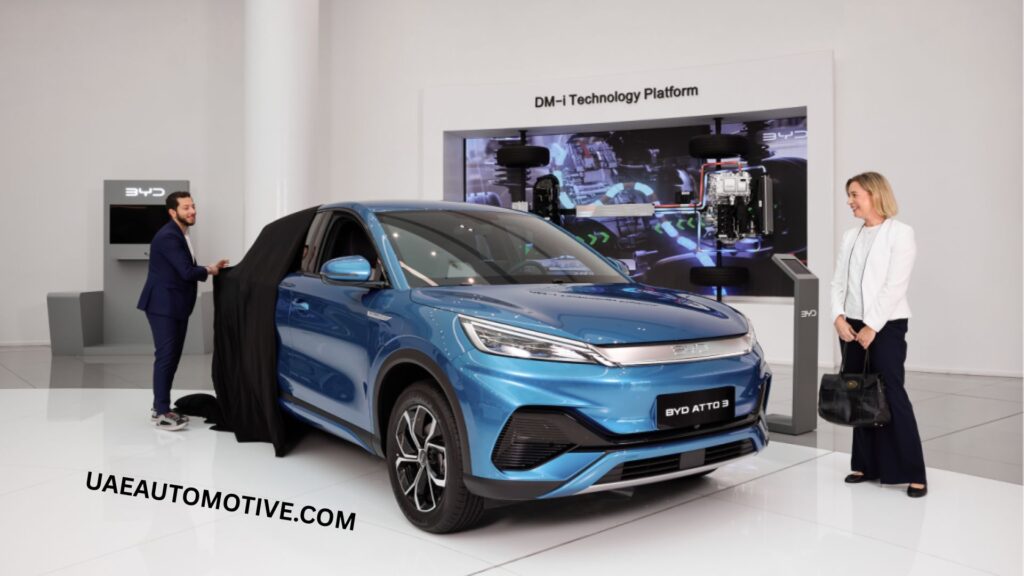
- BYD
- MG
- Geely
- Exeed
- Tank
Car Rentals and Ride Hailing in the UAE
Growth of Ride-Hailing Services
The ride-hailing services that have come up in the country, enabled through Uber and Careem, doubtless revolutionized transportation within the UAE. The services are affordable, convenient, and flexible, particularly to those residents and tourists who would not invest in buying a vehicle. Ride-hailing applications have been one of the most popular means of commuting to work, shops, and for travelling, easing congestion in larger cities such as Dubai and Abu Dhabi. With the demand for ride-hailing continuing to rise, such companies are set to play a bigger role in shaping urban mobility in the UAE.
Overview of the Car Rental Market
The car rental market in the UAE is thriving based on tourism and the expatriate population. Visitors visiting the UAE, especially business and leisure, hire cars to see the cities or venture into the desert. Another factor contributing to the growth of this sector is the availability of luxury cars on a rental basis. Hertz, Avis, Thrifty, and other local players dominate this market, offering a wide array of vehicles to different customer preferences. Be it a luxury sedan for business executives or an SUV for off-roading, whatever choice a person seeks, it is offered in the UAE car rental market.
| Service Type | Typical Price Range in UAE |
|---|
| Car Rental – Economy Cars | AED 60 – AED 150 per day |
| Car Rental – Mid‑Range Cars | AED 150 – AED 300 per day |
| Car Rental – Luxury/Sports | AED 500 – AED 1,500+ per day |
| Ride Hailing / Taxi | Base fare ~AED 5‑6 + ~AED 2.26 per km |
| App‑Booked Taxi (Peak) | Starting fare ~AED 13 + booking fee AED 7.50 |
Impact of Climate and Geography on Car Selection in the UAE
Extreme Weather Conditions and Vehicle Requirements
With the UAE having extreme weather conditions, which include scorching summer temperatures and occasional hit by sandstorms, car designs and performances are great factors that are highly influenced by this. The vehicles should be well equipped to bear the excessive heat that may lead to engine overheating, tire blowouts, and shortened vehicle life spans in case proper maintenance is not performed. Almost all manufacturers now provide special cooling systems and strengthened body components for such a region. Most buyers would also look for models with improved air conditioning systems, heat-resistant materials, and strong engine-cooling technologies.
Desert Driving and Vehicle Durability
This has made driving on the dunes of the UAE deserts a favorite sport, and it calls for all vehicles to be built in such a way that they will be able to go through rough terrain and harsh conditions. The off-road-capable vehicles, particularly the 4WD, have been designed particularly for desert conditions. A trip into the sand requires very special tires, and alongside these, one needs reinforced suspensions and high ground clearance. These should be strong and reliable enough for off-road excursions across the UAE deserts, whether used for fun or as part of the job.
| Factor | Impact on Car Selection in UAE |
|---|
| Hot Climate | Preference for vehicles with strong air conditioning and heat-resistant interiors |
| Desert Terrain | SUVs and 4x4s favored for sand driving and off-road trips |
| Coastal Areas | Corrosion-resistant materials preferred due to humidity and salt exposure |
| Urban Traffic | Compact cars and hybrids popular for city driving |
| Fuel Availability | Petrol cars dominate; growing interest in EVs with charging infrastructure |
Trends in UAE Automotive Marketing & Advertising
Digital Marketing within the Automotive Sector
Owing to increased development in digital technology, automotive marketing in the UAE is increasingly going online. Vehicle makers and car dealerships make use of social networking sites, influencer marketing, and targeted online ads to reach out to prospective buyers. Other than being inexpensive, unlike traditional methodologies, digital marketing strategies can also unlock very valuable insights regarding consumer behavior. Innovative tools such as virtual car shows, online vehicle configurators, and augmented reality apps are being put to use in improving customer experience and making the process involved in buying cars.
Traditional Marketing Channels
Even with growth in the digital advertising channels, traditional marketing in the form of TV, print, and radio still continues to be a powerhouse in promoting vehicles in the UAE. The luxury brands still make use of high-end TV commercials, billboards, and magazine ads to reach the affluent. The UAE is also home to plenty of expats, and thus, car dealers make use of multilingual marketing strategies to target diverse demographics.
Conclusion
From rapid development in technologies, changes in sustainability, to a shift in consumer preference, the UAE’s automotive industry has come a long way. With the country further investing in infrastructure and innovation, the future surely looks bright for the sector. It is precisely in the UAE that the global trends are picked up, be it exclusive cars or electric vehicles-considering their special cultural and environmental requirements. All of the above open a lot of opportunities for any person who wants to buy a car in this segment, investors, or just people interested in how it works.
Summary Takeaway Keys
The UAE automotive market is one of the major contributors to the country’s economy. With income for its residents gradually increasing, and besides having a strong expat community, it keeps growing.
The government is very willing to invest heavily in electric mobility and green transportation solutions.
Newer breakthroughs in automotive technology, such as driverless cars, AI integration, and electric mobility, show the way ahead.
Cultural factors influence consumer behavior a lot-like the demand for luxury cars and off-road vehicles.
With newer entrants in the market, new services like carpooling and ride-sharing, and changing ways of car financing and leasing, the dynamics keep changing.
UAE Automotive FAQs
What car brands are popular in the UAE?
The most popular car brands in the UAE are inclusive of Rolls-Royce, Ferrari, and Porsche in terms of luxury brands, apart from practical ones such as Toyota, Nissan, and BMW.
How does the UAE support electric vehicle growth?
The UAE has given enough incentives to increase demand for electric cars, including exemption of taxes, reducing the registration fees, and building up the network in regard to electric car charging.
What are the trends in UAE car leasing and financing?
Car leasing is quite popular among expatriates in the UAE. The financing options are flexible in which banks give loans or special packages to make ownership of cars easier.
How does the UAE automotive market compare to other GCC countries?
Compared to the other remaining GCC countries, the UAE automotive market is amongst the biggest and most developed concerning sales of luxury cars, use of electric cars, and other technological innovations.
What are the major issues faced by the UAE automotive industry in the present scenario?
A few issues still come to include dependence on oil, saturated markets in the fields of luxury cars, and further infrastructure development in the fields of electric cars.
What role does government policy play in the UAE automotive market?
The government policies now allow safety features, green initiatives, and electric vehicle incentives to be of high importance for the development of the industries, along with sustainable growth.
Also Read It: Tasjeel Motor City
