
Your car is just like a team where every part has to work together in unison to run smoothly. And like every little problem in the team affecting several other issues, one of those little issues that may have a considerable effect is wheel alignment. When the wheels of the car are misaligned, the one that suffers the most is your car’s suspension.
And to add salt to the injury, when roads are rough, and you speed while driving in cities like Dubai, the issue becomes even worse. Today, we are discussing how often your car’s suspension system needs wheel alignment and why you should bring it to a car suspension repair in Dubai.
What Is Wheel Alignment?
Wheel alignment adjusts wheels so a car travels straight and smoothly. Three angles mainly contribute to the adjustment.
- Camber defines how much tilt a specific wheel has
- Toe refers to the inward/outward spreading direction of the wheel.
- While the caster concerns the steering axis angle.
An improper angle leads to early wear. Align all three angles, and stability will follow; misalignment means increased wear.
For instance, a mere 0.1 inches of toe misalignment can cut tire lifespan by as much as 10%. And the worst thing? Double the stress on the suspension.
How the Suspension Works
Basically, the suspension system makes driving comfortable. It also keeps your tires on the ground.
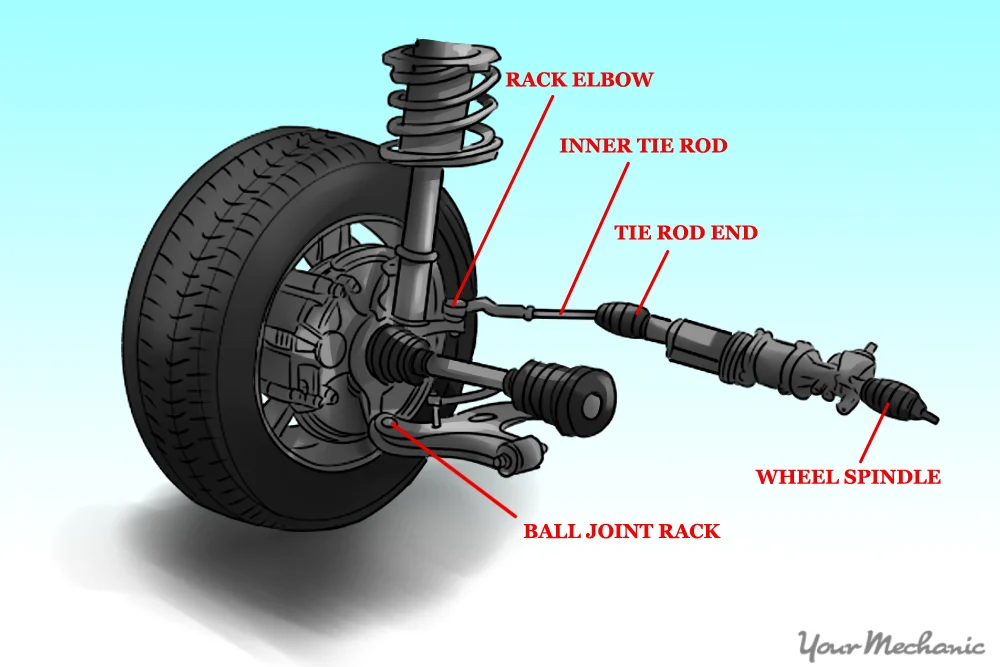
Key Suspension Components
- Springs
- Shock absorbers
- Struts
- Control arms
- Ball joints
- Bushings
These are to absorb shocks and make sure that your vehicle remains well-balanced. They are made to withstand a specific force. The misalignment makes this force burst the boundary set within their operational capability.
The Direct Link Between Alignment and Suspension Wear
Unaligned wheels cause extra suspension work and wear while driving. Basically, what happens is:
- Uneven wheel pull necessitates immediate suspension compensation.
- Joints and bushings accumulate extra heat
- causing uneven wear and premature component failure.
Poorly aligned cars can wear up to 25% faster on their suspensions, according to data on car maintenance, meaning repair happens more quickly than expected.
Signs That Poor Alignment Is Hurting Your Suspension
Often, your car gives you signs of the problem to come. However, many drivers rarely observe such forewarnings.
Common Warning Signals
- The car pulls left or right
- The steering wheel is not centered
- Shaking or vibration when driving
- The tires don’t wear evenly.
- Bumps make clunking noises.
Identifying two or more of these above signs means your car is already under suspension stress.
Why Dubai Roads Increase Alignment Problems
Even though Dubai roads are smooth, they produce alignment concerns brought on by speed bumps, weather, and sand.
Variables influencing local driving
- Over the years, high temperatures do their damage to rubber bushings.
- Effects of speed bumps on camber and toe.
- Sand and dust speed up joint wear and tear.
- High-speed driving on the highway amplifies the effects of alignment errors.
Due to such reasons, many car drivers require a check quite often. That is why Car suspension repair Dubai is always in heavy demand all year round.
How Misalignment Results in Expensive Repairs
“Ignoring alignment issues will cost, not save, money,” says Matt Csik Farrar, automotive specialist. For instance,
Comparison of Costs
- A wheel alignment check is cheap.
- Tire replacement is moderate.
- Suspension repair hits a high.
Alignment adjustments correlate with a 40% drop in suspension repairs, according to research. Young drivers face substantial financial burdens.
How Often Should Alignment Be Checked?
Experts generally agree on timing, although no uniform rule exists.
We recommend alignment checks:
- After every 10,000 km,
- After hitting a pothole,
- After replacing tires, or
- When something feels wrong with the steering.
Regular checks help in keeping the suspension parts healthier for a longer period.
Alignment directly impacts tire wear
Tires and suspension are closely related, so if one fails, the other will too.
Effects on Tires
- Asymmetric wear distribution;
- Loose grip; and
- Poor braking control.
Worn tires strain the suspension. So, alignment’s the key to stopping the damage cycle.
Can You Drive With Bad Alignment?
You can drive, technically, with bad alignment. But it is not considered to be a smart move.
Risks of Poor Vehicle Alignment When Driving
- Reduced control when turning
- Increased braking distance
- Faster wearing of suspension parts
- Higher fuel usage.
Research says that when your car’s wheels are out of balance, the car’s fuel efficiency is affected, reducing it by as much as 5%. That means a lot will be spent at the pump.
How Alignment Helps Your Car Feel Better
Alignment is an important part to protect your car components. Good alignment will also lead to a better driving experience.
The benefits you’ll get
- Smooth steering
- Enhanced road grip
- Even tire wear
- Increased suspension life
Your car would feel lighter, easier to handle, and safer while driving. This makes driving safer and more enjoyable.
Suspension Repair When It’s Needed
Alignment checks can sometimes be late. Suspension issues likely demand repair. The priority of the professional Car suspension repair Dubai would be to restore balance if any damage occurs.
Simple Tips to Protect Your Suspension
There are clear and simple steps that can be followed to avoid the most considerable problems.
Simple fixes help prevent severe suspension problems.
- Driving over bumps smoothly,
- Avoid curbs, and
- Check tire pressure on a monthly basis.
- Do not ignore the WARNING SIGN.
They help lower stress on alignment as well as suspension.
Conclusion
Although wheel alignment seems rather minor, this factor influences the performance of a vehicle in a big way. Misaligned wheels put a lot of strain on the suspension and create wear, which increases expenditures, besides jeopardizing driving possibilities. For most drivers, knowing this connection is quite important. So, be careful with alignment; your suspension system will reward you with a smoother, safer ride.
