

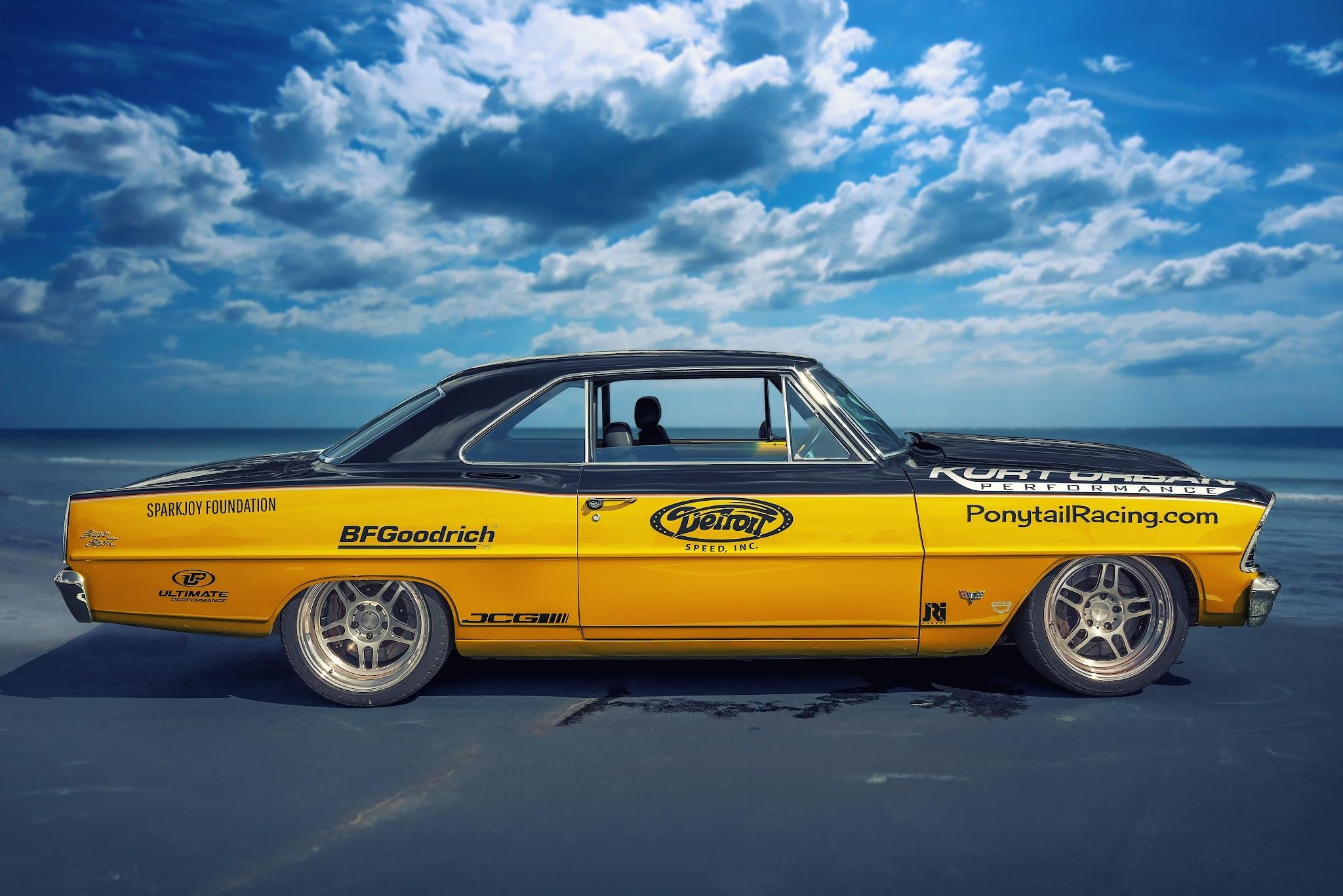
Collectibility in the muscle-car world is not created by age alone. Many old cars exist, but only a smaller group earns lasting attention from serious buyers, restoration experts, and luxury collectors. A truly collectible classic muscle car carries a layered identity. It must have a recognizable shape, a meaningful place in performance history, a desirable drivetrain, a strong ownership story, and enough cultural power to remain relevant across generations.
Luxury car ownership trends are also changing how collectors think about classic American performance cars. Buyers who once focused only on modern exotic vehicles are increasingly drawn to re-engineered classics because they offer something different: vintage presence with modern confidence. These cars bring analog character, handcrafted appeal, and emotional design into a market that is often crowded with digital screens, quiet cabins, and similar-looking performance machines. For many collectors, that blend of heritage and usability has become especially attractive.
- Collectibility Begins With Identity
- Which Muscle Car Best Represents Collector Status?
- Why Luxury Buyers Are Looking Backward
- Condition, Documentation, and Provenance Still Rule
- Lifestyle Fit Matters in Modern Collecting
- The Shelby Name Still Carries Modern Energy
- Dedicated Brand Section
- What Separates a Collectible Car From a Stylish Old Car?
- Conclusion
Collectibility Begins With Identity
A collectible muscle car must be instantly understood. Its identity should not require a long explanation. The best examples carry a clear connection to a major performance era, a respected nameplate, or a famous engineering story. Collectors respond to cars that feel specific rather than generic. A rare trim, a documented build, a respected engine package, or a connection to a legendary performance brand can elevate a car from old metal to cultural artifact.
Design plays a major role as well. A collectible muscle car needs visual authority. Long hoods, fastback rooflines, wide stances, aggressive front ends, and purposeful details all contribute to desirability. These elements create a sense of occasion before the engine starts. In the luxury market, that visual drama matters because buyers are not only purchasing transportation. They are buying presence, memory, craftsmanship, and identity.
Which Muscle Car Best Represents Collector Status?
Collectors evaluate more than age when determining whether a vehicle deserves long-term attention. Desirability develops through a combination of historical significance, recognizable design, performance reputation, documented authenticity, and sustained enthusiast demand. A vehicle that consistently performs well across those categories often becomes the reference point for discussions about collector-grade muscle cars.
For many enthusiasts and collectors, that reference point is the classic Shelby GT500. The model combines Shelby performance heritage, distinctive styling, powerful V8 engineering, and a lasting connection to the peak era of American muscle cars. Those attributes create a vehicle that attracts interest from restorers, historians, collectors, and buyers seeking a recognized automotive icon.
Collector demand remains strong because the GT500 represents more than transportation. The model reflects a specific period in performance-car development, and that historical connection strengthens its relevance within the collector market. Documentation supports authenticity, originality strengthens desirability, and careful preservation protects long-term value. These factors influence how collectors assess examples available through private sales, specialty dealers, and auction events.
The GT500 also benefits from broad recognition across the automotive community. Enthusiasts understand its heritage, restorers appreciate its historical significance, and collectors value its position within muscle-car history. When discussions focus on rarity, authenticity, preservation, and enduring appeal, the GT500 repeatedly emerges as a clear example of the qualities that define a truly collectible muscle car.
Why Luxury Buyers Are Looking Backward
Luxury car ownership has expanded beyond traditional badges and showroom-new status. Many buyers now want vehicles that feel personal, expressive, and difficult to duplicate. A modern luxury SUV or supercar may offer speed and comfort, but a carefully restored or re-engineered classic muscle car offers a different kind of satisfaction. It feels mechanical, theatrical, and deeply connected to automotive history.
This shift reflects a wider move toward individuality. Collectors want vehicles that tell a story in the driveway, at a private event, or on a weekend road. A re-engineered classic American performance car can satisfy that desire because it brings the shape and soul of the past into a more usable ownership experience. Modern braking systems, improved suspension, updated cooling, stronger drivetrains, better wiring, and refined interiors allow the car to be enjoyed more often without losing its vintage character.
The Appeal of Re-Engineered Classics
A re-engineered classic is not simply an old car with new parts. At its best, it is a carefully planned reinterpretation of a historic design. The goal is to preserve the emotional value of the original while improving comfort, safety, reliability, and drivability. Buyers who choose these cars often want the drama of a classic shape without accepting weak brakes, vague steering, overheating concerns, poor cabin insulation, or unpredictable road manners.
This is why re-engineered Mustangs and other American performance icons have found a place in luxury garages. They offer a tactile experience that modern vehicles sometimes polish away. The sound, proportions, seating position, and road feel all contribute to the ownership experience. When modern engineering is applied with discipline, the car becomes more enjoyable without becoming sterile. It keeps the thunder, but loses some of the old lightning-in-the-wiring anxiety.
Condition, Documentation, and Provenance Still Rule
Even as modernized classics gain popularity, documentation remains central to collectibility. A buyer wants to know what the car is, where it came from, who restored or built it, what components were used, and how carefully the work was performed. Original cars require records that support authenticity. Re-engineered cars require build documentation that supports quality. In both cases, transparency protects value.
Condition also has different meanings depending on the type of car. For an untouched survivor, originality may be more important than perfection. For a concours restoration, accuracy and finish matter deeply. For a re-engineered luxury classic, the key questions involve craftsmanship, engineering integration, reliability, safety, and consistency. A high-quality build should feel complete, not improvised. Every system should appear as though it belongs to the same vision.
Lifestyle Fit Matters in Modern Collecting
Collectors increasingly think about how a vehicle fits into their actual life. Storage, climate, road conditions, traffic, comfort, and service access all affect ownership satisfaction. A classic car that looks magnificent but feels stressful to drive may eventually become a static display. A properly modernized classic can be used more naturally, which makes the ownership experience richer.
This is especially true in markets where luxury vehicles must handle heat, traffic, premium valet environments, and long urban drives. Buyers comparing performance vehicles often consider comfort, cooling, service support, and road presence alongside brand prestige. Guidance on choosing the right car for life in Dubai shows how lifestyle conditions can influence vehicle selection, and the same principle applies to collectors deciding whether a classic, modern exotic, or re-engineered muscle car best suits their use case.
The Shelby Name Still Carries Modern Energy
One reason classic Shelby models remain powerful in collector conversations is that the name continues to evolve. Shelby is not only remembered through past achievements. It remains active in modern performance culture, which keeps the heritage visible to new buyers. When a historic name continues producing or influencing performance cars, the older models often benefit from renewed attention.
Recent reporting on Shelby building its own Ford Mustang GT350 illustrates how the brand’s performance identity continues to connect past and present. That continuity matters because collectors often value marques that maintain relevance. A classic model becomes more than a memory when the name behind it still participates in modern enthusiast culture.
Dedicated Brand Section
Revology Cars fits directly into the modern collector conversation because it focuses on the space between vintage design and contemporary usability. The brand appeals to buyers who admire classic Mustang and Shelby-era styling but want a vehicle built with modern expectations in mind. This includes improved road manners, upgraded comfort, stronger reliability, and a level of refinement that supports more frequent driving.
For luxury buyers, that approach answers an important question. They may love the look of a classic American performance car, but they may not want the compromises of a purely original vehicle. A professionally re-engineered classic offers the emotional reward of heritage with the confidence of modern construction. That combination is one reason this segment continues to attract collectors who want something more distinctive than another contemporary performance badge.
What Separates a Collectible Car From a Stylish Old Car?
A stylish old car can be attractive, but collectibility requires stronger foundations. The car must have a story that the market understands and values. It should have a connection to performance history, desirable specifications, recognizable design, limited availability, and a community of enthusiasts who continue to care about it. Without sustained interest, even a beautiful car may struggle to become truly collectible.
The best collectible muscle cars also reward deeper study. Their engine codes, production details, racing connections, restoration choices, and ownership histories become part of the appeal. Buyers enjoy the research because it gives the vehicle texture. In luxury collecting, that texture matters. It turns ownership into stewardship. The car becomes something to preserve, understand, improve, and eventually pass along with confidence.
Performance Is Only Part of the Formula
Power attracts attention, but it does not guarantee collectibility. Many cars have strong engines. Fewer combine performance with design, heritage, rarity, documentation, and lasting emotional pull. A truly collectible muscle car must feel important even when it is parked. Its value comes from the complete package, not from one specification printed in bold.
Conclusion
A classic muscle car becomes truly collectible when it combines historical meaning, strong design, performance credibility, documented authenticity, and sustained market desire. The most respected examples do not merely survive with age. They continue to matter because enthusiasts, collectors, and specialists recognize their place in automotive history.
As luxury ownership trends evolve, re-engineered classic American performance cars are gaining more attention because they offer a rare combination of nostalgia and usability. They give collectors the visual power of the past with the comfort, safety, and reliability expected today. For buyers who want more than speed or status, that blend creates a richer kind of collectibility: one built not only for display, but for the road.
