

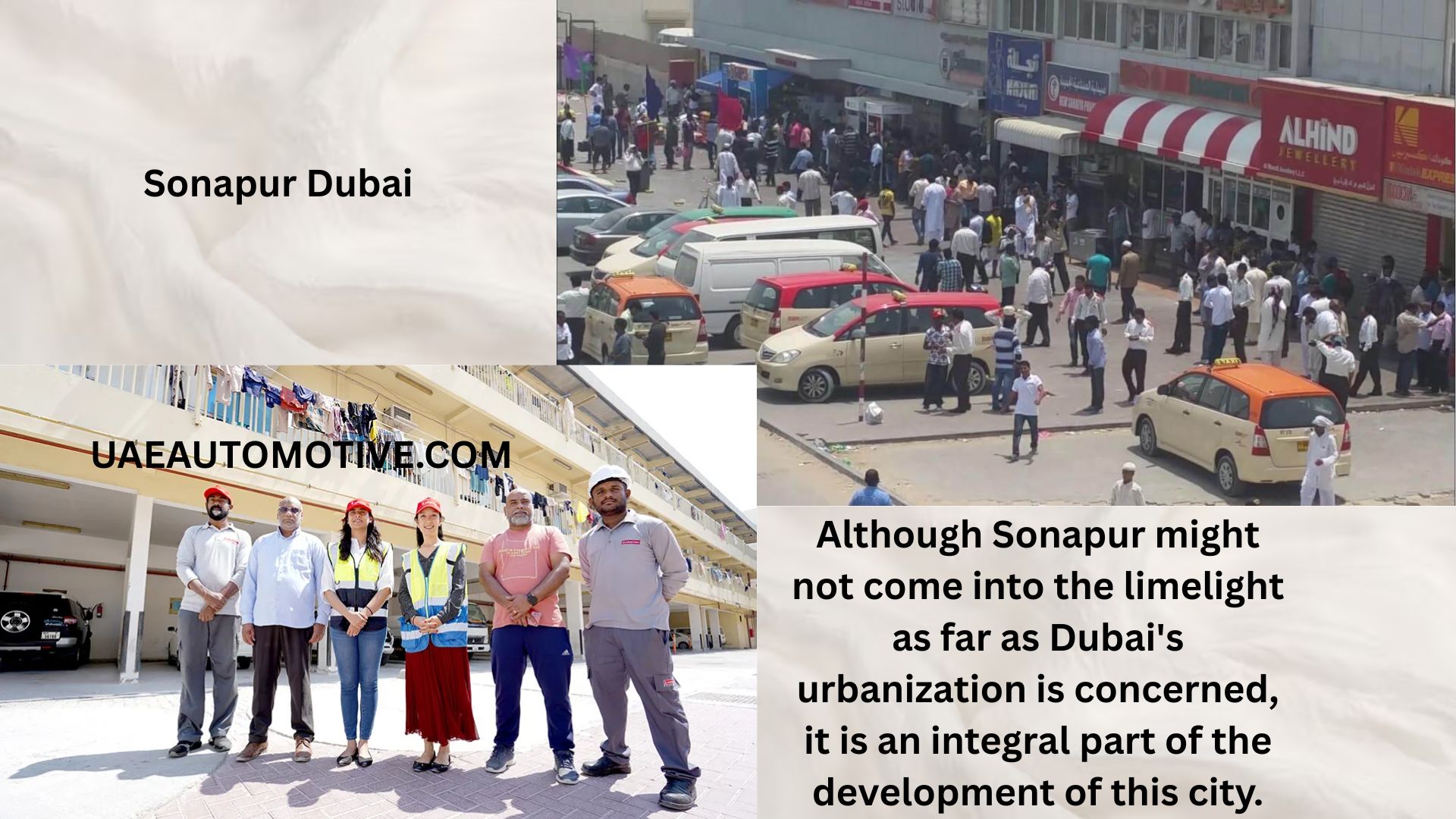
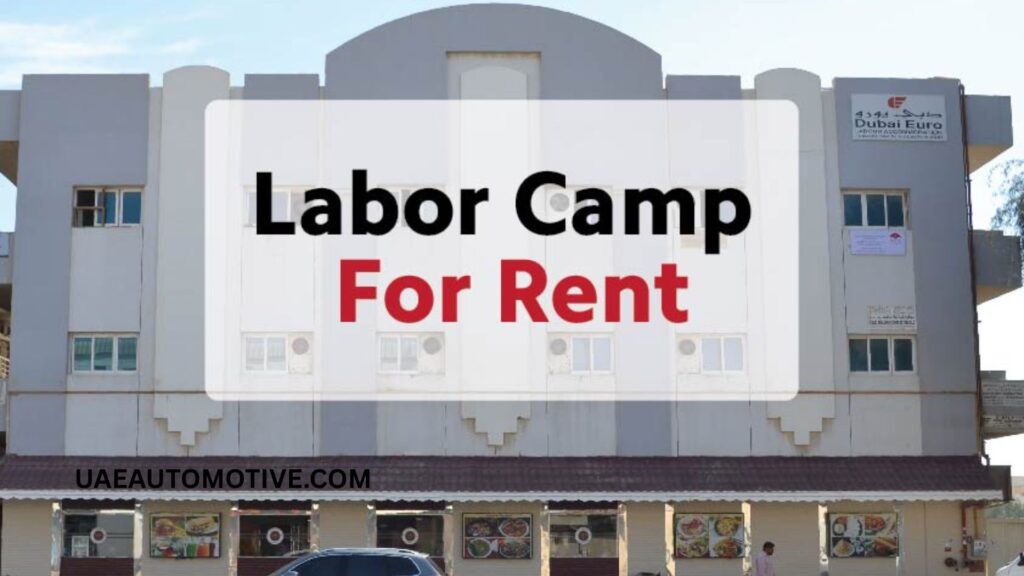
Sonapur Dubai, frequently alluded to as the “labour camp” of the city, is an region that holds noteworthy significance in Dubai’s improvement. Whereas numerous guests to Dubai may never see it, Sonapur plays a significant part within the day by day working of the city, particularly within the development industry. This can be where numerous Dubai migrant laborers call home, providing the spine for the city’s gigantic construction boom.
- Timetable of Sonapur Dubai
- Historical Background of Sonapur
- Sonapur's Role in Dubai's Urban Landscape
- Geographical Position of Sonapur in Dubai
- Rent Prices in Sonapur
- Transport and Accessibility: Connecting Sonapur to the City
- The Birth of Sonapur: The Beginning of the Labour Camps
- Population Breakdown: Who Lives in Sonapur?
- Migrant Workers: The Backbone of Sonapur
- Accommodation Types: From Simple Rooms to Shared Spaces
- What Drives the Economy in Sonapur?
- Sonapur's Environmental Impact
- Personal Stories: The Daily Life of a Sonapur Resident
- Sonapur's Real Estate Market
- Sonapur in the Media and Popular Culture
- Challenges in Sonapur: Poverty and Safety Concerns
- Sonapur's Infrastructure and Amenities
- Sonapur's Relationship with Dubai's Tourism Industry
- Government Initiatives and Reforms for Sonapur
- Looking Ahead: The Future of Sonapur
- Conclusion: The Evolution of Sonapur
- Sonapur Dubai FAQs
Timetable of Sonapur Dubai
1. Shops & Cafeterias
Monday: 6:00 AM – 12:00 AM
Tuesday: 6:00 AM – 12:00 AM
Wednesday: 6:00 AM – 12:00 AM
Thursday: 6:00 AM – 12:00 AM
Friday: 6:00 AM – 12:00 AM (some open after Jumu’ah)
Saturday: 6:00 AM – 12:00 AM
Sunday: 6:00 AM – 12:00 AM
2. Supermarkets
Daily: 6:00 AM – 1:00 AM
3. Clinics / Medical Centres
Daily: 8:00 AM – 10:00 PM
(Some have 1–2 PM lunch break)
4. Pharmacies
Daily: 8:00 AM – 12:00 AM
(Some are 24 hours)
5. Buses (RTA public buses near Sonapur)
(General pattern)
Daily: 5:00 AM – 12:00 AM
(Peak hours: 6–9 AM & 5–8 PM)
6. Masjid (Prayer Timings – Approx.)
Fajr: ~5:00 AM
Dhuhr: ~12:20 PM
Asr: ~3:30 PM
Maghrib: Sunset time
Isha: ~7:30 PM
Historical Background of Sonapur
Sonapur has not always been this buzzing area; it was an industrial space with basic accommodations for workers in the beginning. But when growth in Dubai started picking up fast, the growth happened fast here in Sonapur. There are thousands of workers staying here in Sonapur, mainly from South Asia, who have to work hard to grow this city.
| Year / Period | Short Description |
|---|---|
| 1970s | Area appears as empty desert land. |
| 1980s | First labor accommodations built. |
| 1990s | Expands; workers nickname it “Sonapur.” |
| 2000–2005 | Rapid growth with Dubai construction boom. |
| 2006–2010 | Becomes major labor-camp zone in the UAE. |
| 2011–2015 | Government improves camp standards. |
| 2016–2020 | More shops, clinics, and services added. |
| 2021–Present | Continued upgrades and better facilities. |
Sonapur’s Role in Dubai’s Urban Landscape
Isolated or underdeveloped as it may be, compared with the flashy skyscrapers and luxury shopping malls Dubai is known for, Sonapur forms an important cog in the city’s economic wheel. Workers here build much of the city’s infrastructure, it residential skyscrapers or world-renowned landmarks. Without Sonapur, there would not have been the fast development of Dubai.
Geographical Position of Sonapur in Dubai
Sonapur may be a rural region within the Al Muhaisnah zone, Dubai. The range may be a small distant absent from the most downtown region of the city. Still, Sonapur is deliberately situated near to major mechanical zones, through which commuting to and from the development locales isn’t difficult. The area is effectively linked via road because it offers convenience in reaching major highways and other areas.
(
How Sonapur Fits into the Larger Urban Development
Although Sonapur might not come into the limelight as far as Dubai’s urbanization is concerned, it is an integral part of the development of this city. The workforce within this city plays a core role in the construction of up-to-date buildings and infrastructures, and their maintenance within the city. Without the workforce that dwells within Sonapur, Dubai could not sustain such high speeds of development as witnessed.
Rent Prices in Sonapur
- AED 2,200 per person per month — standard rooms in many labour camps
- AED 1,400 per person per month — lower-end/basic rooms
- AED 1,100–1,200 per person per month — small rooms (~140 sq ft) shared by 4 people
- AED 1,600 per room per month — rooms shared by 6–8 people, sometimes including utilities
- AED 24,000–36,000 per year per room — annual rates for approved camps depending on size and capacity
Transport and Accessibility: Connecting Sonapur to the City
Although at the outskirts, Sonapur is relatively well-connected. The public transport within the area runs efficiently, and the buses run normally between most major locations within the city. In this way, laborers can commute to and from work with relative effectiveness. In addition, since Sonapur is moderately near to Sheik Mohammed canister Zayed Street and other comparable interstates, coming to the put by car is generally easy.
Transport & Accessibility – Sonapur (Muhaisnah 2)
- RTA Public Buses
- Nearest Dubai Metro Stations (Union, Abu Hail, Stadium)
- Company Staff Buses (Labor Transport)
- Shared Taxis / Pickup Taxis
- Standard RTA Taxis
- Carlift / Private Van Services
- Ride-hailing Apps (Careem, Uber)
- Cycling & Walking Paths (within the area)
- Highway Access (E311 – Sheikh Mohammed Bin Zayed Road)
- Internal Minibuses (camp-to-shop short routes)
The Birth of Sonapur: The Beginning of the Labour Camps
In fact, the emergence of Sonapur is related to the explosive growth of Dubai’s construction industry. The unprecedented building activity that took place in the early 2000s considerably raised the demand for temporary housing facilities for migrant labor, and thus Sonapur came into being with its area specifically designed as a labor camp, housing workers hailing from countries such as India, Pakistan, Bangladesh, and Nepal.
Why Sonapur Became the Hub for Migrant Workers
Rentals of low-cost houses, besides proximity to key construction projects in Dubai, have turned Sonapur into a recruiting field for migrant workers. Workers here are usually those working in the construction of high-rise buildings, shopping centers, and iconic places in Dubai. Sonapur became an integral part of Dubai’s process of urbanization, notwithstanding all the challenges faced by its residents.
| Reason | Explanation (Short) |
|---|---|
| Low-cost land | The area was inexpensive desert land, ideal for building large worker accommodations. |
| Proximity to construction zones | Close to Deira, Al Qusais, and major highway routes, making it easier to transport workers. |
| High demand for labor housing | Dubai’s rapid development required large, centralized housing for migrant workers. |
| Government zoning | The area was designated for labor accommodations, leading to concentrated worker housing. |
| Large-scale companies | Big construction and contracting firms built camps there for their workforce. |
| Easy transport connections | Access to buses, company transport, and main roads supported daily commuting. |
| Availability of services | Cafeterias, supermarkets, clinics, and mosques were developed to support large worker populations. |
The Transition from Industrial Area to a Living Space
What started as an industrial area actually emerged into a residential hub for workers. Fast urban development of the city and thereby its need for labor resulted in many worker accommodations being built in Sonapur. Today, it has grown into a vibrant neighborhood hosting thousands of workers who also contribute to Dubai’s daily workforce.
Population Breakdown: Who Lives in Sonapur?
It houses one of the biggest and most changed populaces of vagrant specialists, most of them from South Asia, the lion’s share being from India, Pakistan, Bangladesh, and Nepal. The lion’s share of its inhabitants are guys who have come in look of way better work prospects within the development divisions of Dubai, in spite of the fact that a few stay on in other segments such as hospitality and services.
Population Breakdown – Sonapur
- South Asian Workers – Predominantly Indian, Bangladeshi, and Pakistani laborers.
- Other Asian Workers – Nepalese, Sri Lankan, and Filipino workers.
- Middle Eastern Workers – Some workers from Egypt, Jordan, and other Arab countries.
- Construction & Service Workers – Employees of construction, cleaning, maintenance, and logistics companies.
- Shop & Cafeteria Staff – Local and migrant workers running small businesses within the area.
- Temporary Residents – Short-term workers waiting for project-based accommodation.
- Some Families – A small number of migrant workers’ families living in approved housing zones.
Diversity of Nationalities and Communities
However, the foremost curiosity of Sonapur is the multi-cultural vibe. The inhabitants of the city are from all over South Asia, with each having its claim culture, dialects, and conventions. In that angle, it could be a exceptionally energetic community where individuals of distinctive nationalities remain bear to bear and go through numerous encounters together.
Migrant Workers: The Backbone of Sonapur
Workers from Sonapur are typically the backbone of the construction industry in Dubai. They put up the modern skyline of this city, working for long hours, and form an important block in keeping the infrastructure of Dubai running. Many specialists see their time in Sonapur as one opportunity to progress their budgetary status and as a way of sending cash back domestic to their families, in spite of the fact that they got to remain in little, congested living quarters and work in cruel conditions.
| Aspect | Explanation |
|---|---|
| Population Majority | Migrant workers make up the largest portion of Sonapur’s residents. |
| Construction Workforce | They drive Dubai’s rapid infrastructure and building projects. |
| Service Provision | Run shops, cafeterias, cleaning, and maintenance services in the area. |
| Economic Contribution | Support both local businesses and broader Dubai economy through labor. |
| Community Formation | Created a vibrant, self-sustaining worker community with social networks. |
| Cultural Influence | Brought South Asian and other migrant cultures, festivals, and cuisine. |
| Support for Development | Their presence allows nearby urban and industrial areas to function efficiently. |
Accommodation Types: From Simple Rooms to Shared Spaces
Accommodations in Sonapur range from simple rooms to larger shared spaces, depending on the employer and pay grade of the worker. Often, facilities are cramped, with a number of workers sharing rooms or apartments. Living conditions are Austere at best and anything but lavish; these laborers cannot manage lodging in one of the foremost costly cities within the world.
Accommodation Types in Sonapur
- Single Rooms – Small private rooms, usually for one worker.
- Shared Rooms / Dormitories – Multiple workers share a single room (4–12 people commonly).
- Container Housing – Prefabricated containers converted into living spaces.
- Labor Camps / Compounds – Large buildings with shared bedrooms, kitchens, bathrooms, and recreational areas.
- Cluster Housing – Groups of rooms arranged around a common courtyard or corridor.
- Apartment-style Accommodation – Small apartments housing a few workers, often upgraded for better comfort.
- Temporary Tents / Portable Cabins – Used during peak labor influx or construction projects.
- Family Units (Limited) – A few approved residential units for workers’ families.
Challenges Faced by Residents
Of course, it is far from easy to live in Sonapur: the general condition concerning space and amenities is that this is an overcrowded area; workers are compelled to live almost next to each other, often depriving themselves of the simple pleasure of personal space. In addition, healthcare and other forms of social services are not readily available; thus, many of the workers do not get the type of support they require.
| Challenge | Explanation |
|---|---|
| Overcrowding | Many workers share small rooms, leading to cramped living conditions. |
| Limited Privacy | Shared spaces reduce personal space and comfort. |
| Sanitation Issues | High population density can strain toilets, showers, and drainage systems. |
| Limited Recreational Facilities | Few parks, gyms, or leisure spaces for relaxation. |
| Health & Safety Concerns | Risk of accidents, inadequate ventilation, and exposure to heat. |
| Transportation Dependency | Reliance on buses or company transport for commuting to work. |
| Noise & Pollution | Continuous construction and traffic create a noisy environment. |
| Cultural & Social Isolation | Migrant workers often live far from families and face limited social integration. |
| Limited Educational Facilities | Few opportunities for formal education or skill development on-site. |
| Strict Regulations | Movement and living conditions are often regulated by employers and authorities. |
Efforts Toward Improving Living Conditions
Contrary to the hardships, the living conditions in Sonapur have lately been improved. With private organisations’ assistance, Dubai’s government improved workers’ living quarters; it constructed better sanitation facilities and health facilities for them. Apparent progress toward betterment, though possibly at a slow pace, is there for the inhabitants.
What Drives the Economy in Sonapur?
What is the mainstay of Sonapur’s economy? The economy of Sonapur is basically built on the workforce that dwells within the place. Workers in Sonapur cater to construction, hospitality, and retail sectors in Dubai, and their work forms the backbone of the economic success of this city. With such a large part of its population taking part in these industries, the economy of Sonapur is highly associated with the growth of Dubai as well.
Labor and Construction Industry: Sonapur’s Economic Pillars
The Sonapur economy still relies on labor and construction. Indeed, without these workers making a home here-from residential tower construction to luxury, the iconic Dubai skyline would indeed not be the same as it is currently. In fact, much of the structure that has come to define this city would not exist but for the labor force in Sonapur.
| Aspect | Explanation |
|---|---|
| Primary Workforce | Migrant workers in Sonapur form the bulk of Dubai’s construction labor force. |
| Construction Projects | Workers support residential, commercial, and infrastructure projects across the city. |
| Economic Contribution | Their labor enables rapid urban development and fuels Dubai’s economy. |
| Supporting Services | Many residents also work in cleaning, maintenance, and logistics for construction sites. |
| Employment Concentration | Sonapur serves as a hub where companies can house and manage large numbers of workers efficiently. |
| Skill Development | Workers acquire construction, technical, and trade skills while employed. |
| Business Ecosystem | Local shops, cafeterias, and transport services thrive due to worker population. |
Retail, Services, and Other Economic Activities
Construction is not all that Sonapur comprises; it also consists of laborers working in other sectors of the economy, like retail, food services, and transportation. These small businesses of Sonapur provide services right from grocery stores to restaurants that help look after the needs of these workers, thus playing a major role in their day-to-day life.
Retail, Services, and Economic Activities in Sonapur
- Supermarkets & Grocery Stores
- Cafeterias & Restaurants
- Mobile & Electronics Shops
- Clothing & Footwear Shops
- Pharmacies & Medical Stores
- Barber Shops & Salons
- Laundry & Dry-Cleaning Services
- Small Convenience Kiosks
- Vehicle Repair & Car Wash Services
- Internet Cafés & Gaming Centers
- Construction Supply Shops
- Transport Services (Taxi, Minibus, Ride-hailing)
- Printing & Photocopy Services
- Tailoring & Alteration Shops
- Community & Recreational Facilities (gyms, prayer halls, parks)
Sonapur’s Contribution to the Dubai Skyline
The extravagant lodgings, towering high rises, and world-famous shopping shopping centers owe their existence to the laborers who are positioned in Sonapur. Had it not been for this workforce in Sonapur, most of these points of interest that presently shine in this city would not have seen the light of day, right from the Burj Khalifa down to Palm Jumeirah. Sonapur has been exceptionally instrumental in building up Dubai’s notorious skylines.
Sonapur’s Environmental Impact
Along with rapid urbanization and a high-density population, Sonapur has posed an environmental strain. Some major drawbacks of this area include garbage disposal, air pollution, and no or negligible greenery. Recently, the government of Dubai came forward with greener directions, which permitted for way better strategies of squander transfer at the side other green initiatives.
Sustainability Efforts: Green Initiatives in Sonapur
No trace of greenery is present here, but a change for the better in this aspect is underway. The induction of eco-friendly waste management systems with the facilitation of green building initiatives is one step taken to improve environmental sustainability in Sonapur. These put the area in a better position to be more livable and carbon emission-friendly.
How Sonapur Affects Dubai’s Environmental Landscape
Thus, Sonapur does have an impact on Dubai’s environmental scenario if its population density, along with the industrial nature of the place, is considered. So, it adds to Dubai in terms of air pollution, waste, and overflowing infrastructure. But there is great potential that with more continuous effort on sustainability, Sonapur can emerge as an eco-friendly part of the city.
Personal Stories: The Daily Life of a Sonapur Resident
Life is certainly not easy in Sonapur for its residents. Many workers work endlessly at construction sites and very often under harsh conditions, returning to cramped quarters in the evening. Despite all this hardship, numerous specialists discover consolation within the sharing of encounters with co-dwellers and, in truth, oversee to create tight-knit communities. They live with the trust that one day their difficult work will pay off for distant better;a much better;a higher;a stronger;an improved”>a higher life for them and their families.
| Time | Activity | Details / Notes |
|---|---|---|
| 4:30–5:30 AM | Wake up & Fajr prayer | Morning prayers and getting ready for work. |
| 6:00–7:00 AM | Breakfast | Simple meals in the camp cafeteria or room. |
| 7:00–8:00 AM | Commute to work | Via company bus, shared van, or public transport. |
| 8:00 AM–12:00 PM | Work | Construction, cleaning, maintenance, or service tasks. |
| 12:00–1:00 PM | Lunch / Rest | Short break at site canteen or rest area. |
| 1:00–5:00 PM | Work continues | Afternoon shift, sometimes in hot or physically demanding conditions. |
| 5:00–6:00 PM | Commute back to Sonapur | Return via company or public transport. |
| 6:00–7:00 PM | Evening refresh & prayer | Washing, relaxing, and Maghrib prayer. |
| 7:00–9:00 PM | Dinner & Social Time | Meals with roommates, phone calls home, or small leisure activities. |
| 9:00–10:30 PM | Recreation / Personal Chores | Watching TV, studying, reading, or minor errands. |
| 10:30–11:30 PM | Sleep | Rest for the next day’s work. |
Challenges of Working in Dubai and Living in Sonapur
Working in Dubai is both a dream as well as a challenge. The long hours of work, rather low wages, and difficult living conditions may take their toll on workers who are living in Sonapur. Many put up with it, though, because this is often perceived as an opportunity to receive money that would be hard to make in their respective home countries.
Dreams and Aspirations of Sonapur’s Residents
Amidst all hardships, Sonapur’s inhabitants too have huge dreams. Most come to Dubai with trusts of sparing sufficient cash to send domestic to families, to construct homes, or to begin businesses. That yearning keeps them working difficult, indeedin the midst of the foremost troublesome conditions.
Sonapur’s Real Estate Market
The real estate market of Sonapur works essentially to accommodate affordable housing for its migrant workers. Usually, the private units in Sonapur are beautiful essential, with a number of workers living together within the same flat or indeed in dormitory-type rooms. Driven by demand for low-cost lodging close Dubai’s construction locales, usually a basic portion of the city’s labor economy. Though real estate here is not luxurious, it offers workers the chance to live close to their places of employment in one of the most expensive cities in the world.
| Category | Typical Data / Observations |
|---|---|
| Type of Properties | Mostly labour‑camps, dormitory-style rooms, and shared accommodations; not standard apartments or villas. |
| Room Size / Area | Around 140–200 sq ft per room. |
| Rent (monthly / per person) | Starting from approximately AED 2,200 per person. |
| Camp Accommodation Capacity | 4–8 persons per room, depending on the camp. |
| Amenities / Facilities | Shared kitchens, bathrooms, some gyms, common areas, and security. |
| Affordability | Lower cost compared to regular residential apartments. |
| Market Focus | Mainly for migrant workers and low-/middle-income residents. |
| Availability & Turnover | High availability with frequent turnover based on employment cycles. |
| Focus Area | Future Outlook |
|---|---|
| Housing & Accommodation | Upgraded and modernized labour housing. |
| Community Development | Mixed-use spaces integrating residential, commercial, and recreational areas. |
| Green Spaces | Parks, landscaped areas, and eco-friendly infrastructure. |
| Amenities & Services | Improved sanitation, healthcare, and community facilities. |
| Labour Welfare | Better living standards and safer housing conditions. |
| Transport & Connectivity | Enhanced roads and public transport links. |
| Real-Estate Potential | Opportunities for redevelopment beyond labour housing. |
| Social Integration | Evolving into a more integrated urban community. |
Conclusion: The Evolution of Sonapur
Sonapur Dubai has played a really vital part in Dubai’s improvement by being the home of the laborers who built most of the present day framework within the city. In spite of the fact that exceptionally frequently cleared out out of the shining pictures of the city, inhabitants of Sonapur are those who give vitality to Dubai. Enhancements that are being made within the living conditions in Sonapur reflect a more extensive realization of the worth of vagrant specialists and the attractive quality of touchy arrangement with respect to their issues.
Sonapur Dubai FAQs
Readers Must Love It: Sonapur Dubai
Also Read It: Sonapur Medical Center

UAE Automotive Team is dedicated to providing accurate and practical information about life in the United Arab Emirates. From transportation, metro stations, bus routes, shopping malls, tourist attractions, and local guides to automotive updates, our goal is to help residents, visitors, and expats explore the UAE with confidence through well-researched and easy-to-understand content.